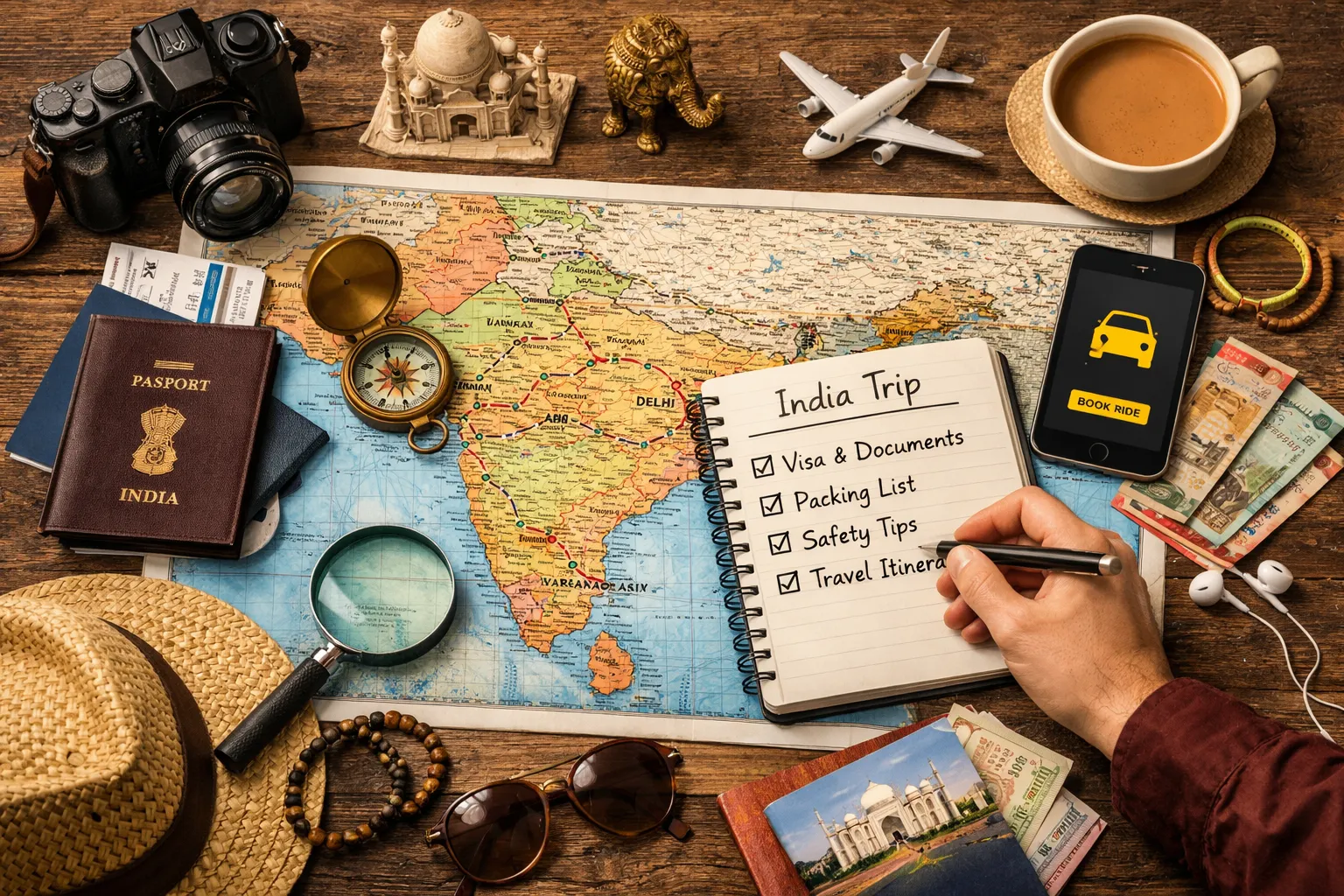
Travel Planning Essentials – Plan Your India Trip Smartly
Planning a journey through India is exciting, but the country’s size, climate diversity, and cultural variety make smart preparation important. From choosing the right destinations and understanding travel distances to packing wisely and managing luggage, thoughtful planning helps create a smoother and far more enjoyable experience. Whether you are visiting for a short Golden Triangle holiday or a longer multi-region exploration, this guide covers the practical essentials every traveler should know before arriving in India.
How to Plan a Trip to India
India rewards travelers who plan realistically rather than trying to cover too much too quickly. Distances can be long, traffic unpredictable, and every region offers a completely different atmosphere. A balanced itinerary with enough rest days, sensible travel times, and a mix of cities, culture, nature, and local experiences usually creates the best overall trip.
- Choose destinations based on your interests: India offers extraordinary diversity. Travelers interested in forts, palaces, and heritage often explore Rajasthan, while nature lovers may prefer Kerala’s backwaters, tea plantations, and coastal landscapes. Wildlife enthusiasts can include national parks and tiger safaris, while spiritual travelers often combine Varanasi, Rishikesh, or temple towns in South India.
- Plan realistic travel durations: India is best experienced at a comfortable pace. A 7–10 day journey generally works well for one region such as Rajasthan or Kerala, while 14–21 days allow a broader route combining cities, culture, wildlife, and slower countryside experiences. Trying to cover too many destinations often leads to exhaustion rather than meaningful travel.
- Balance comfort, budget, and travel style: India caters to every type of traveler. Budget visitors can travel economically using guesthouses, trains, and domestic flights, while luxury travelers enjoy palace hotels, boutique heritage stays, and private chauffeur-driven journeys. Many visitors choose a balanced mix of comfort and local experiences rather than staying entirely at one end of the spectrum.
- Consider transport and travel logistics carefully: Domestic flights save time on long routes, while private drivers work extremely well for Rajasthan and North India circuits. Train journeys can be memorable but should be booked early, especially during peak season. Travel times between destinations are often longer than they appear on maps, so avoid overloading the itinerary.
- Independent travel vs private guided tours: Independent travel offers flexibility and spontaneity, while private guided tours provide smoother logistics, local insight, and less stress — especially for first-time visitors. Many travelers combine both approaches by arranging private transport for certain regions while keeping free days for personal exploration.
What to Pack for India
Packing for India depends heavily on the season, destinations, and travel style. A winter trip through Rajasthan and North India feels very different from a tropical Kerala journey or a Himalayan adventure. The key is to pack practical, lightweight, and versatile items rather than carrying excessive luggage. Comfortable clothing, essential medicines, and good travel organization make long journeys far easier.
- Carry essential documents safely: Keep your passport, visa, travel insurance, hotel confirmations, and flight tickets easily accessible. It is also wise to store photocopies and digital backups separately in case of loss or emergency.
- Pack comfortable and climate-appropriate clothing: Lightweight cotton clothing works well in warmer regions, while North India during winter may require jackets, sweaters, and layers for early mornings and evenings. Modest clothing is recommended for temples, rural areas, and cultural sites.
- Electronics, adapters, and charging essentials: India commonly uses Type C, D, and M plugs. Carry a universal adapter, charging cables, and a reliable power bank, especially for long road journeys, train travel, and sightseeing days.
- Medicines and a small first-aid kit: Bring prescription medicines, basic pain relief tablets, antiseptic cream, band-aids, motion sickness medication, and remedies for stomach-related travel issues. While pharmacies are widely available, carrying familiar essentials is always convenient.
- Personal care and hygiene products: Sunscreen, insect repellent, hand sanitizer, wet wipes, tissues, and reusable water bottles are extremely useful while traveling through India’s busy cities and remote areas alike.
- Useful travel accessories: Neck pillows, eye masks, packing cubes, lightweight scarves, and comfortable walking shoes can significantly improve comfort during flights, train journeys, and long sightseeing days.
Luggage Tips for India Travel
Managing luggage efficiently becomes very important in India, especially on multi-city itineraries involving flights, train journeys, or road travel. Travelers who pack lighter usually enjoy far more flexibility and comfort during their journey.
- Backpack vs suitcase: Soft duffel bags and backpacks work extremely well for travelers covering multiple destinations, while hard-shell suitcases are more suitable for shorter city-based trips with fewer hotel changes.
- Pack light for domestic flights: Many Indian airlines have strict baggage allowances, particularly on regional routes. Focus on versatile clothing pieces rather than overpacking for every situation.
- Prepare for changing climates: India’s weather varies dramatically between regions and seasons. Travelers may experience cool mornings in Rajasthan, tropical humidity in Kerala, and chilly mountain temperatures within the same trip. Layering helps manage these variations comfortably.
- Keep valuables and essentials in cabin luggage: Important documents, medicines, electronics, and one change of clothes should always stay in your carry-on bag during flights or train journeys.
- Leave room for shopping and souvenirs: Many visitors purchase textiles, handicrafts, tea, spices, jewelry, or artwork during their travels in India, so avoid filling your luggage completely at the beginning of the trip.
Plan Your Travel to India
Good planning transforms an India trip from overwhelming to unforgettable. With the right itinerary, practical preparation, and expert local guidance, traveling across India becomes smoother, more comfortable, and deeply rewarding. Explore carefully designed journeys tailored to your interests, pace, and travel style.
Travel Planning Essentials for India
India is not a destination best experienced in a rush. Careful route planning, realistic travel times, and choosing experiences that match your interests can completely transform the quality of your journey. Whether you are planning a first-time Golden Triangle holiday, a Rajasthan road trip, a Kerala retreat, or a longer India and Nepal adventure, these travel planning essentials help create a smoother and more rewarding experience.
-
Choosing Destinations Based on Your Interests:
- Heritage & Culture: Explore royal forts, palaces, stepwells, Mughal monuments, and ancient temples across Rajasthan, Agra, Delhi, and South India.
- Wildlife & Nature: Discover tiger safaris, bird sanctuaries, Himalayan scenery, tea plantations, deserts, and national parks across India’s diverse landscapes.
- Luxury & Leisure: Stay in palace hotels, heritage havelis, luxury trains, boutique retreats, and curated private travel experiences.
- Spiritual Journeys: Visit sacred cities, riverfront rituals, yoga retreats, monasteries, and wellness destinations like Varanasi, Rishikesh, Bodhgaya, and Kerala.
- Beaches & Relaxation: Enjoy Goa’s coastline, Kerala’s backwaters, island escapes, Ayurveda retreats, and slower coastal experiences.
-
Trip Duration & Route Planning:
- 7–10 Days: Ideal for covering one region comfortably, such as the Golden Triangle or Rajasthan highlights.
- 12–14 Days: Suitable for combining two regions, for example Rajasthan with Kerala or wildlife with cultural destinations.
- 18+ Days: Best for deeper multi-region exploration including cities, countryside, wildlife, and slower travel experiences.
- Use domestic flights wisely: Internal flights save considerable time on long-distance routes such as Delhi to Kerala or Jaipur to Varanasi.
- Avoid overpacking the itinerary: Keeping at least two nights in major destinations allows more meaningful exploration and reduces travel fatigue.
-
Budget vs Luxury Travel Styles:
- Budget Travel: Boutique guesthouses, trains, local experiences, and flexible planning make India accessible even on modest budgets.
- Luxury Travel: Palace hotels, private chauffeurs, personalized guides, luxury trains, and airport assistance create a seamless premium experience.
- Mid-Range Comfort: Many travelers choose a balanced style combining comfortable hotels, selected private transport, and authentic local experiences.
-
Independent Travel vs Private Guided Tours:
- Independent Travel: Offers flexibility, spontaneous exploration, and lower costs, but requires stronger planning and logistics management.
- Private Guided Tours: Provide expert local insight, smoother coordination, better time management, and a more relaxed travel experience.
- Hybrid Approach: Many visitors combine guided touring with independent free days for a balanced and comfortable journey.
What to Pack for India
Packing smartly for India makes travel significantly easier, especially on multi-city itineraries involving flights, road journeys, train travel, and changing climates. Rather than carrying excessive luggage, focus on versatile clothing, essential documents, practical travel accessories, and climate-appropriate items that suit your travel route and season.
-
Essential Documents:
- Passport valid for at least six months beyond your travel dates
- Printed and digital copies of your India visa
- Travel insurance documents and emergency contacts
- Flight tickets, hotel confirmations, and itinerary details
- Photocopies of important documents stored separately from originals
-
Electronics & Power Essentials:
- Universal travel adapter compatible with Type C, D, and M plugs
- Reliable power bank for long sightseeing days and train journeys
- Phone, camera, and smartwatch chargers
- Voltage-compatible hair dryers or grooming devices if required
- Extra memory cards and charging cables for extended trips
-
Medicines & First-Aid Kit:
- Personal prescription medicines with copies of prescriptions
- Basic pain relief medication and antiseptic cream
- Motion sickness tablets for winding mountain roads or long journeys
- Oral rehydration salts and stomach-relief medicines
- Hand sanitizer, tissues, and antibacterial wet wipes
-
Toiletries & Personal Care:
- Sunscreen suitable for strong tropical and desert sunlight
- Lip balm, moisturizer, and hydrating skincare essentials
- Compact towel and daily hygiene products
- Basic grooming kit and travel-sized toiletries
- Insect repellent, especially for wildlife and rural destinations
Final Travel Tips for India
A well-planned trip allows you to experience India more comfortably and meaningfully. Flexible expectations, realistic travel pacing, and practical preparation often make the biggest difference. Whether you travel independently or choose a private guided journey, India rewards travelers who stay curious, patient, and open to the country’s incredible diversity.
- Plan international trips at least 3–6 months in advance for better flight and hotel availability
- First-time visitors often benefit from combining private transport with flexible independent exploration
- A medium-sized suitcase plus a compact day backpack usually works best for most India itineraries
- Light breathable clothing, comfortable footwear, and one warm layer are practical year-round essentials
- Domestic travel days can be long, so avoid overloading the itinerary with too many destinations
- A universal power adapter, portable charger, and digital backups of documents are highly recommended
Frequently Asked Questions (FAQ)
Planning an India trip often brings practical questions about timing, luggage, travel style, transport, and preparation. These frequently asked questions cover some of the most common concerns international travelers have before visiting India for the first time.
-
How far in advance should I plan a trip to India?
- International travelers should ideally begin planning 3–6 months in advance
- The main travel season from October to March often requires earlier hotel and flight bookings
- Luxury heritage hotels, safari lodges, and internal flights can fill quickly during peak months
-
Is India suitable for first-time international travelers?
- Yes, India can be very rewarding for first-time visitors with sensible planning
- Popular destinations like Delhi, Jaipur, Agra, Kerala, and Mumbai have excellent tourism infrastructure
- Many travelers choose private drivers or guided tours initially for smoother logistics and comfort
-
What type of luggage works best for India travel?
- A medium-sized wheeled suitcase works well for most cultural and luxury itineraries
- Backpacks or soft duffel bags are more practical for hill stations, adventure travel, or frequent hotel changes
- Packing lighter generally makes domestic travel easier and more comfortable
-
How much clothing should I pack for India?
- Light breathable clothing is ideal for most regions across India
- Carry at least one warm layer for cooler mornings, desert evenings, or winter travel in North India
- Most quality hotels and longer-stay accommodations offer laundry services
-
Should I travel independently or choose a private guided tour?
- Independent travel works well for experienced travelers comfortable with flexible logistics
- Private guided tours provide local expertise, smoother coordination, cultural insight, and reduced travel stress
- Many visitors combine guided touring with independent free time for a balanced experience
-
Are power adapters required for India?
- Yes, India commonly uses Type C, D, and M electrical plugs
- A universal travel adapter and portable power bank are strongly recommended
- Most modern hotels provide multiple charging points, but carrying your own adapter is still essential