Visa, Entry & Documentation
Essential Travel Requirements for India
Before traveling to India, international visitors should understand the country’s visa requirements, entry procedures, passport validity rules, and essential travel documentation. Most foreign nationals require a valid visa before arrival, and airlines generally will not permit boarding without an approved visa or e-Visa authorization. Travelers should always verify the latest entry requirements well before departure, as immigration regulations and visa policies may occasionally change.
Who Needs a Visa for India
India requires visas for the vast majority of international travelers. Entry permissions depend on nationality, purpose of travel, duration of stay, and type of visa obtained before arrival.
- Visa required for most travelers: Nearly all foreign nationals must obtain a valid visa before entering India for tourism, business, medical treatment, or study purposes.
- No standard visa on arrival: India generally does not offer traditional visa-on-arrival facilities for most nationalities, making advance approval essential.
- Transit regulations may apply: Travelers transiting through India could require a transit visa depending on nationality, airport transfer rules, and the duration of the stopover.
Indian Visa Types
India offers multiple visa categories depending on the purpose of travel. Choosing the correct visa type is important because each category includes specific permissions, validity periods, and travel conditions.
- Tourist Visa: Intended for holidays, sightseeing, cultural travel, and visiting friends or relatives.
- e-Tourist Visa: Online visa facility available for eligible travelers visiting India for tourism purposes.
- Business Visa: Designed for meetings, conferences, trade activities, and commercial visits.
- Medical Visa: Issued for travelers seeking treatment at recognized hospitals or medical institutions in India.
- Student Visa: Required for academic programs and educational courses at approved institutions.
- Employment Visa: Necessary for professional employment, contractual work, or long-term assignments in India.
- Conference Visa: Issued for participation in approved conferences, seminars, or official events.
- Transit Visa: Used for short stopovers while traveling onward to another destination.
Travelers should carefully follow the conditions attached to their visa category. Tourist visas do not permit paid or unpaid employment, journalistic work, or long-term residency activities.
India e-Visa (Online Visa)
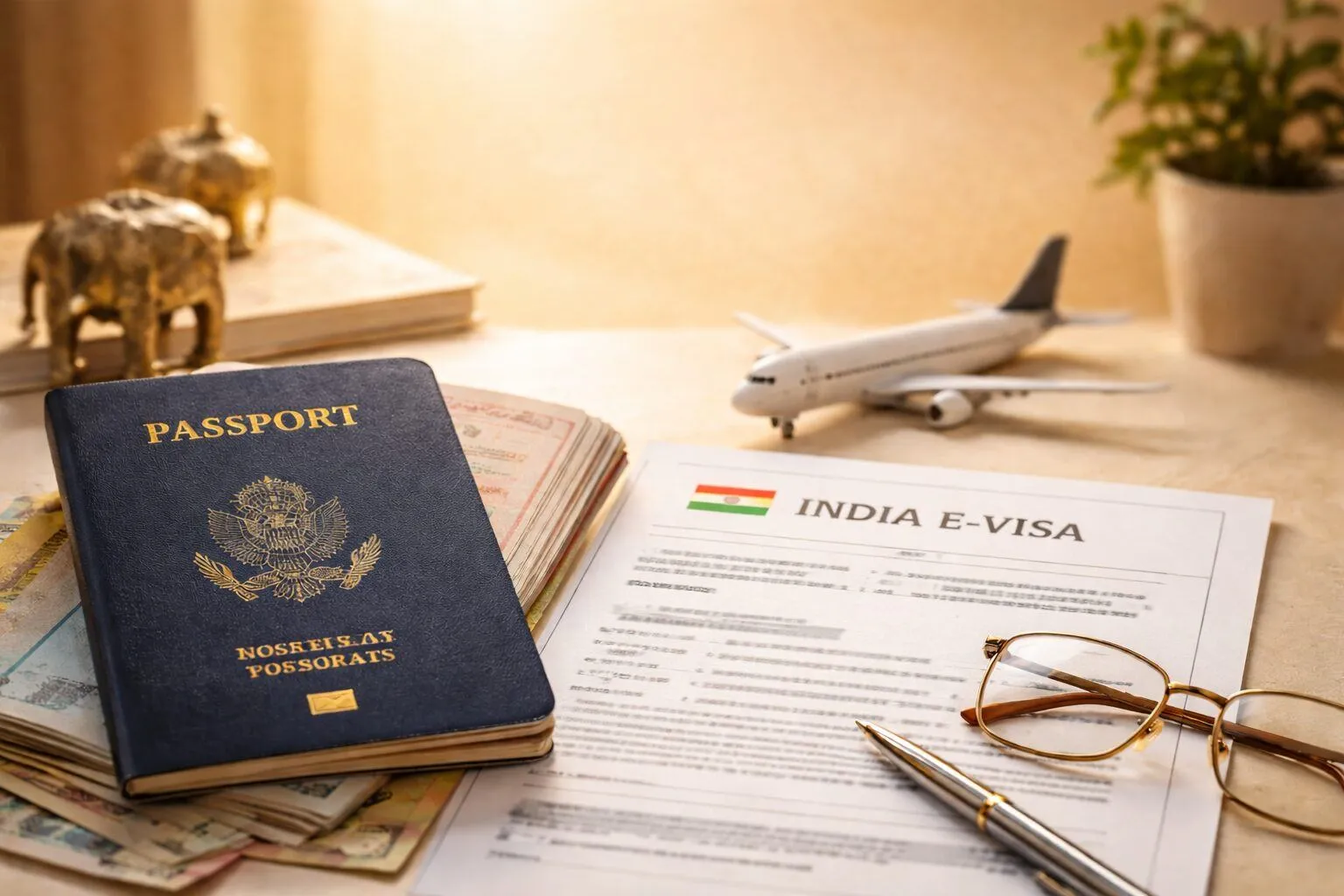
The India e-Visa system is the most convenient option for many international visitors and allows eligible travelers to complete the application process online before departure.
- Official online application: Travelers should apply only through the Government of India e-Visa portal .
- Multiple visa durations available: Tourist e-Visas are commonly available for 30-day, 1-year, and 5-year validity periods.
- Entirely online process: Applications, document uploads, and payments are completed digitally before travel.
- Processing time: Approval generally takes around 3–5 working days, though travelers should apply earlier whenever possible.
- Authorized entry points: e-Visas are accepted only at designated international airports and selected seaports.
- Stay limitations: Maximum permitted stay duration depends on nationality and visa category.
- ETA approval required: Approved travelers receive an Electronic Travel Authorization (ETA), which should be printed and carried during travel.
Passport & Entry Requirements
Travelers entering India should ensure that all passport details, visa approvals, and travel documents are accurate and valid before departure. Immigration authorities may deny boarding or entry if documents are incomplete, damaged, or inconsistent.
- Passport validity: Passports should generally remain valid for at least six months beyond the planned arrival date in India.
- Blank passport pages: At least two blank pages are usually required for immigration stamps and entry processing.
- Passport condition: Passports must be machine-readable, undamaged, and in good physical condition.
- Matching personal details: Names, passport numbers, and dates of birth must exactly match the visa or e-Visa application.
- Damaged or temporary passports: Travelers carrying damaged, altered, or temporary passports may face refusal of boarding or entry into India.
Entry & Immigration on Arrival
On arrival in India, immigration officers may request supporting documents related to accommodation, onward travel, and the purpose of the visit. Keeping both printed and digital copies of important documents is strongly recommended.
- Valid passport and visa: Travelers must carry a valid passport together with an approved visa or e-Visa authorization.
- Printed e-Visa approval: Carrying a printed copy of the approved Electronic Travel Authorization (ETA) is advisable during travel.
- Arrival or declaration forms: Certain airlines or immigration authorities may require travelers to complete online arrival, health, or immigration declaration forms before boarding or arrival.
- Travel proof: Immigration officers may request return or onward flight tickets.
- Accommodation details: Hotel reservations, tour confirmations, or the address of stay in India may be requested.
- Proof of funds: Travelers may occasionally be asked to show evidence of sufficient financial means for the trip.
- Basic immigration questions: Officers may ask simple questions regarding the purpose of travel, planned destinations, and expected duration of stay.
Visa Information
For US, UK & European Travelers
Travelers from the United States, United Kingdom, and most European countries are generally eligible for India’s e-Visa program, making the visa process relatively straightforward for tourism and short-term visits. India offers multiple tourist e-Visa categories with varying validity periods, entry permissions, and stay durations depending on nationality. Entry rules, passport requirements, and immigration regulations should always be verified before departure, as policies may occasionally change.
Visa Eligibility by Nationality
Visa eligibility, permitted stay duration, and entry conditions vary slightly depending on nationality and the type of visa issued.
- United States passport holders: Commonly eligible for 30-day, 1-year, and 5-year tourist e-Visas with multiple-entry permissions. Individual stay duration limits generally apply per visit.
- United Kingdom passport holders: Eligible for India’s tourist e-Visa categories, including long-term multiple-entry options, subject to passport validity requirements.
- European Union & Schengen travelers: Most EU and Schengen country citizens qualify for India e-Visa facilities for tourism and short-term visits.
- Authorized entry points: e-Visa travelers may enter India only through approved international airports and designated seaports.
- Country-specific variations: Visa conditions, stay limits, and documentation requirements can differ slightly based on nationality and current immigration policies.
Health, Vaccination & Insurance
While India does not typically require extensive medical documentation for tourism, travelers are strongly advised to prepare basic health and insurance coverage before departure.
- Travel medical insurance: Comprehensive travel insurance covering medical emergencies, cancellations, and evacuation is highly recommended.
- Prescription medications: Travelers should carry prescriptions or supporting medical documents for personal medicines.
- Vaccination documentation: Certain travelers may need vaccination or health certificates depending on recent travel history and current regulations.
- Check official updates: Health-related entry rules can occasionally change, so reviewing current airline and government guidance before departure is advisable.
Customs Rules & Restricted Items
India maintains customs regulations regarding restricted items, cash declarations, and controlled equipment. Travelers should review customs policies carefully before arrival.
- Cash declaration requirements: Large amounts of foreign currency or cash may require declaration upon arrival.
- Drones and aerial equipment: Importing drones into India generally requires prior approval or special permission.
- Restricted electronics and devices: Certain communication devices, satellite phones, and specialized equipment are restricted.
- Medicines and food products: Some medicines, plant materials, and food products may face import limitations.
- Customs penalties: Failure to declare restricted or prohibited items may result in confiscation, fines, or delays during immigration clearance.
Registration & Long Stays
Most short-term tourists visiting India do not need additional local registration after arrival. However, travelers staying for extended periods or entering under specific visa categories may be subject to registration requirements.
- Short-term tourist visits: Standard tourists visiting India for holidays or short stays usually do not require FRRO registration.
- Long-term visa holders: Certain travelers staying on employment, student, medical, research, or extended visas may need to register with the Foreigners Regional Registration Office (FRRO).
- Visa-specific regulations: Registration rules depend on nationality, visa category, and permitted duration of stay in India.
Overstay & Visa Rules
Travelers should strictly follow the validity period and stay limits mentioned on their visa or e-Visa approval. Overstaying in India can create legal complications and affect future travel permissions.
- Financial penalties: Overstaying beyond the permitted visa period may result in fines and administrative charges.
- Risk of deportation: Serious visa violations or long overstays can potentially lead to deportation proceedings.
- Future visa complications: Previous overstays may negatively affect future Indian visa approvals or immigration reviews.
- Exit clearance procedures: Certain overstay situations may require special exit permits or immigration clearance before departure.
- Limited extension options: Tourist visa extensions are restricted and are generally granted only under exceptional circumstances.
Important Documentation Tips
Careful preparation of travel documents helps avoid immigration delays and makes arrival procedures smoother during international travel to India.
- Apply well in advance: Submit visa or e-Visa applications early to allow time for processing and corrections if needed.
- Carry printed and digital copies: Keep backup copies of passports, visas, flight tickets, insurance, and hotel reservations.
- Verify all information carefully: Ensure names, passport numbers, and travel details exactly match official documents.
- Respect visa conditions: Follow all entry rules, stay limitations, and visa conditions throughout the trip.
Visa, Entry & Documentation
Frequently Asked Questions (FAQ)
This FAQ section answers common questions about visa requirements, entry rules, documentation, and stay conditions for travelers visiting India. Visa policies and entry regulations can change over time, so travelers should always verify the latest official requirements before departure.
General Visa Questions
-
Do I need a visa to travel to India?
Yes. Most foreign nationals, including travelers from the United States, United Kingdom, Europe, Australia, and Canada, require a valid visa before arriving in India. Visa on arrival is generally not available. -
What is an India e-Visa?
The India e-Visa is an online electronic visa system that allows eligible travelers to apply digitally before travel. After approval, travelers receive an Electronic Travel Authorization (ETA), which should be printed and carried during travel. -
Which nationalities are eligible for India e-Visa?
Citizens of many countries, including the US, UK, most European Union countries, Australia, and Canada, are eligible for India e-Visa facilities. Eligibility depends on nationality and passport type. -
Do I need to complete any forms before boarding my flight?
Airlines may require travelers to complete online arrival, health, or immigration-related forms before boarding, depending on current government regulations and airline procedures. Always check requirements before departure.
Digital Registration Before Arrival
-
India e-Arrival Card:
International travelers may occasionally be required to complete the official India e-Arrival Card online before travel. Requirements may vary depending on current immigration and health regulations. -
Online arrival forms:
Travelers may also need to complete digital immigration, customs, or airline-related declarations before boarding flights to India. -
Airline verification:
Airlines may verify passport validity, visa approvals, return tickets, accommodation details, and required online registrations before allowing boarding. -
Check latest updates:
Entry procedures can change periodically, so travelers should always review the latest official requirements before departure. -
Carry printed & digital copies:
Keep both printed and mobile copies of your passport, e-Visa approval, flight tickets, hotel confirmations, and completed online forms for easier immigration processing.
Note: Entry and health procedures can change over time. Travelers should always verify the latest rules through official Indian government sources and their airline before departure.
Tourist e-Visa Details
-
What tourist e-Visas are available?
India offers 30-day, 1-year, and 5-year tourist e-Visas. The 30-day visa usually allows double entry, while the 1-year and 5-year visas generally allow multiple entries. -
How long can I stay in India?
Most travelers may stay between 90 and 180 days per visit depending on visa type and nationality. Long-term tourist e-Visas allow multiple visits with stay limits per entry. -
How long does visa processing take?
India e-Visas are commonly processed within 3 to 5 working days, although processing times can occasionally vary during busy travel periods. -
Can I extend my tourist visa?
Tourist visas are generally not extendable except under exceptional circumstances approved by immigration authorities.
Work, Activities & Compliance
-
Can I work or volunteer on a tourist visa?
No. Paid work, unpaid work, internships, and volunteering activities are generally not permitted on a tourist visa. -
What happens if I overstay my visa?
Overstaying may result in fines, deportation, exit restrictions, and difficulties obtaining future Indian visas. -
Can I re-enter India on the same visa?
Yes, if your visa allows multiple entry. Long-term tourist e-Visas commonly permit multiple visits within the visa validity period.
Passport & Arrival Documentation
-
Passport validity requirements:
Your passport should remain valid for at least six months beyond your arrival date in India and contain at least two blank pages. -
Return or onward ticket:
Immigration officers may request proof of onward or return travel during arrival checks. -
Documents to carry:
Carry your passport, visa or printed e-Visa approval, accommodation details, travel itinerary, and proof of sufficient funds.
Health, Registration & Customs
-
Is travel insurance mandatory?
Travel insurance is not compulsory for most travelers but is strongly recommended for medical emergencies, delays, and unexpected travel disruptions. -
Health and vaccination rules:
Health requirements may change depending on international regulations. Travelers should review official health advisories before departure and carry any required certificates. -
Do I need local registration?
Short-term tourists usually do not require local registration. Certain long-term visa holders may need to register with the FRRO (Foreigners Regional Registration Office). -
Entry points:
e-Visa holders must enter India through approved international airports or seaports. Land border entry may require a regular visa. -
Drones and restricted items:
Drones, satellite phones, professional equipment, and certain restricted items may require prior approval and declaration upon arrival.
Visa Application Issues
-
What if my visa is rejected?
Travelers may reapply after correcting application errors or submit a different visa category if appropriate. Visa application fees are generally non-refundable.