

India Wildlife Safari Travel Guide
Tiger safaris, national parks, and real wilderness journeys across India
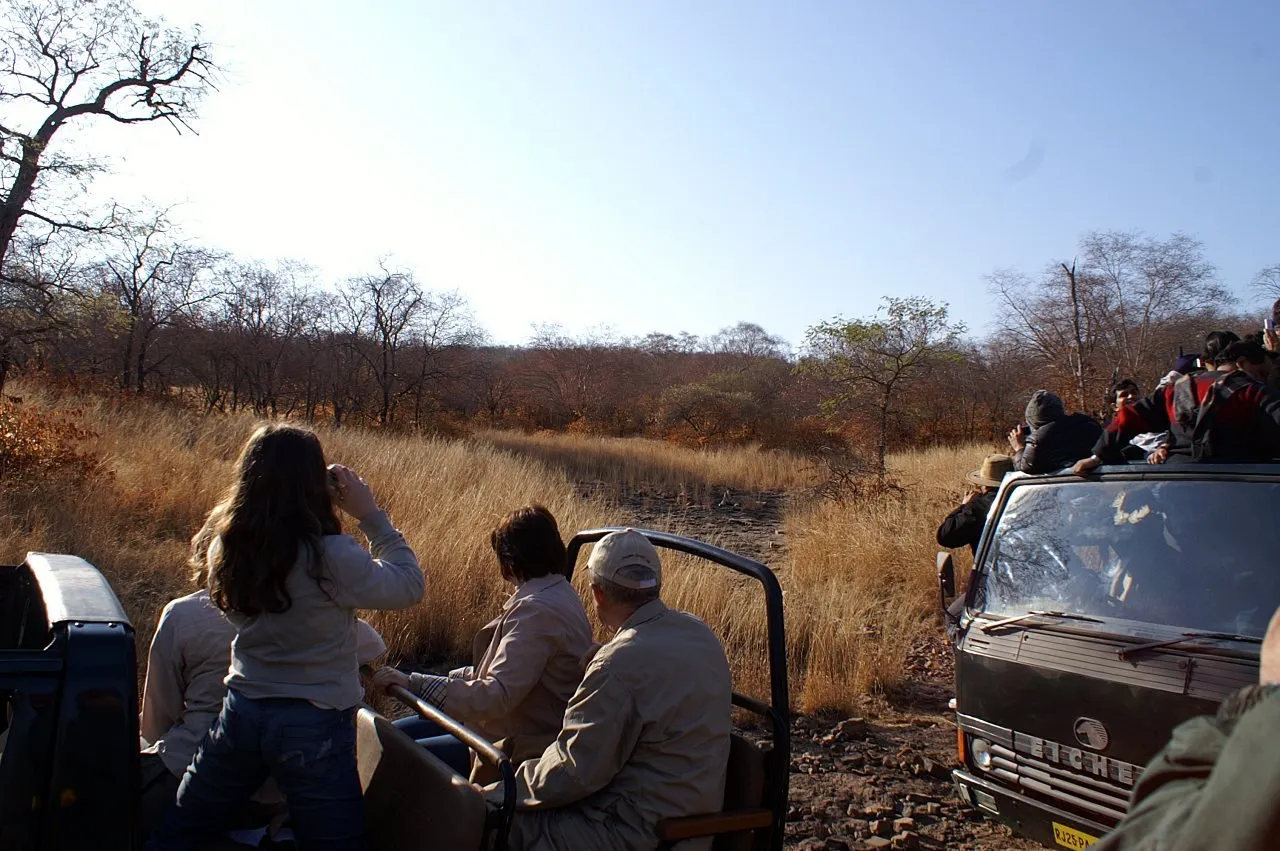
There is a very specific moment inside an Indian forest that no brochure ever explains properly. It happens just after sunrise, when the jeep slows down on a muddy trail, birds suddenly go quiet, and even the guide stops speaking for a few seconds. In that silence, you realize you are not in a “park” anymore — you are inside a living ecosystem that moves completely on its own terms.
India’s wildlife safaris are built around these moments. A tiger crossing a dusty road in Ranthambore, elephants moving through the grasslands of Kaziranga, or a herd of deer freezing in place deep inside Kanha — none of it follows a schedule. Every park behaves differently, and every safari feels slightly unpredictable, which is exactly why it stays memorable.
This guide is meant to help you understand that reality before you go — which parks actually suit your travel style, when sightings are more likely, how safari zones work, and why planning matters more than luck alone. Whether you are choosing your first tiger reserve or building a multi-park wildlife circuit across India, the right preparation changes the entire experience.
Explore This India Wildlife Safari Guide
Jump directly to the topics that matter most—from India's famous national parks and incredible wildlife to safari seasons, costs, planning tips, and practical advice for your perfect wildlife adventure.
India Wildlife Safari at a Glance
Before planning a wildlife trip in India, it helps to understand how safaris actually work on the ground. Unlike regular sightseeing, everything here depends on forest zones, entry timings, weather, and animal movement — which is why the experience changes completely from one park to another.
- India has over 100 national parks and wildlife sanctuaries spread across diverse ecosystems
- Home to the Royal Bengal Tiger, Asiatic Lion, Asian Elephant, One-Horned Rhinoceros, and more
- Best safari regions are Central India (Madhya Pradesh & Rajasthan) for tiger sightings
- Safaris operate mainly in morning and afternoon fixed time slots inside forest zones
- Jeep safaris are the most common way to explore national parks in India
- Peak wildlife visibility is generally between October and June, depending on the region
The key difference between a good safari and a great one is not just luck — it is choosing the right park, right season, and right zone inside the forest. That is where most first-time travellers go wrong.
Top Wildlife Safari Destinations in India
India’s wildlife experiences vary sharply from one region to another. Some forests are open and ideal for tiger sightings, while others are dense, humid, and focused more on atmosphere and ecosystem diversity. Understanding these differences is key to choosing the right safari.
Central India – The Core Tiger Belt
Central India is the most dependable region for tiger safaris in the country. The dry forests, grasslands, and waterholes create ideal conditions for wildlife movement, making sightings more frequent compared to dense forest zones. This is the region most travellers choose for their first serious safari experience.
Ranthambore National Park (Rajasthan)
Ranthambore combines wildlife with history, where tigers often move across landscapes framed by ancient fort ruins. Its open terrain and structured safari zones make it one of the most accessible tiger reserves for travellers.
Bandhavgarh National Park (Madhya Pradesh)
Bandhavgarh is known for its high tiger density, offering some of the best chances of sightings in India. The compact forest zones make tracking more focused and rewarding for wildlife photographers and enthusiasts.
Kanha National Park (Madhya Pradesh)
Kanha is known for its scenic beauty and balanced ecosystem. While tiger sightings are possible, the experience here is equally about landscapes, meadows, and overall biodiversity.
---South & Western India – Forests of Depth and Silence
Southern and western India offer a very different safari experience. These forests are greener, denser, and more atmospheric. Sightings may be less frequent, but the experience feels more immersive and natural.
Kabini Wildlife Sanctuary (Karnataka)
Kabini is known for its elephant populations and occasional big cat sightings. The forest edges near water bodies often create dramatic wildlife moments, especially during dry seasons.
Periyar Wildlife Sanctuary (Kerala)
Periyar offers a unique combination of forest and lake-based wildlife viewing. While tiger sightings are rare, elephants and birdlife dominate the landscape, creating a calm and scenic safari experience.
Gir National Park (Gujarat)
Gir is the only natural habitat of the Asiatic lion in the world. Unlike tiger reserves, sightings here are more predictable, making it a unique and structured wildlife experience.
---North & Northeast India – Raw and Less Crowded Wilderness
The northern and northeastern regions offer some of the most unique wildlife environments in India. From riverine grasslands to mangrove forests, these parks are less commercial and more natural in experience.
Jim Corbett National Park (Uttarakhand)
Jim Corbett is India’s oldest national park and offers a classic safari experience with forested hills, rivers, and diverse wildlife.
Kaziranga National Park (Assam)
Kaziranga is globally known for the one-horned rhinoceros and offers wetland-based safari experiences unlike any other park in India.
Sundarbans National Park (West Bengal)
Sundarbans is a mangrove ecosystem where tiger movement is shaped by tides and waterways, making it one of the most challenging and unique safari environments in the world.
🐅 What Wildlife Can You See in India?
From the majestic Bengal Tiger and the rare Asiatic Lion to one-horned rhinoceroses, Asian elephants, leopards, sloth bears, crocodiles, and over 1,300 bird species, India offers one of the richest wildlife experiences on Earth. Every national park has its own unique ecosystem, making each safari a completely different adventure.
India is one of the world's most biodiverse countries, home to Bengal tigers, Asiatic lions, one-horned rhinoceroses, Asian elephants, snow leopards, crocodiles, rare birds, and hundreds of other fascinating species. Depending on the national park and the season you visit, every safari offers a different wildlife experience.
🐅 Bengal Tiger
The Bengal Tiger is India's most iconic wildlife species and the primary reason many visitors choose an Indian safari. National parks such as Ranthambore, Bandhavgarh, Kanha, Tadoba and Pench offer some of the best opportunities to spot this magnificent predator in its natural habitat.
🦁 Asiatic Lion
The world's only wild population of Asiatic Lions lives in Gujarat's Gir National Park, making it one of India's most unique wildlife experiences.
🦏 One-horned Rhinoceros
Kaziranga National Park in Assam is famous for its successful conservation of the Greater One-horned Rhinoceros and offers one of the highest chances of sightings anywhere in Asia.
🐘 Asian Elephant
Large herds of wild elephants can be seen in Periyar, Nagarhole, Bandipur, Mudumalai and several parks across South India.
🐆 Leopard
Although more elusive than tigers, leopards inhabit many Indian forests and are increasingly spotted in parks such as Jawai, Kabini and Jhalana.
🐻 Sloth Bear
Sloth Bears are commonly seen in central Indian forests, especially during the warmer months when they emerge to forage.
🦬 Gaur (Indian Bison)
The world's largest wild cattle species is frequently seen grazing in Kanha, Nagarhole, Bandipur and Periyar National Parks.
🐕 Dhole (Indian Wild Dog)
Highly intelligent and social, dholes live in packs and can occasionally be spotted in parks such as Bandipur, Kabini and Kanha.
🦅 Birds, Reptiles & More
India is also a paradise for birdwatchers, with more than 1,300 bird species, alongside crocodiles, gharials, marsh crocodiles, giant squirrels, deer, antelope, langurs and countless other fascinating animals.
Best Time for Wildlife Safaris in India
The timing of a wildlife safari in India matters more than most travellers realize. The same forest can feel completely different depending on the season — not just in terms of sightings, but in visibility, animal movement, and even the overall safari experience.
October to February – Pleasant Weather & Balanced Sightings
This is the most comfortable season for safaris across India. The forests are green after the monsoon, temperatures are mild, and long safari drives feel pleasant. Wildlife is active throughout the day, though sightings are slightly more spread out due to abundant water sources.
March to June – Peak Tiger Sightings Season
Summer is considered the best period for tiger sightings in Central India. As water sources dry up, animals are naturally drawn toward lakes and waterholes, making sightings more predictable. However, temperatures can be very high, especially in April and May.
July to September – Forest Closure & Limited Access
Most national parks remain closed during the monsoon season. Heavy rains make forest tracks inaccessible, and safari operations are either limited or completely suspended in many regions. A few buffer zones may still operate depending on the park.
Types of Wildlife Safaris in India
Wildlife safaris in India are not the same everywhere. Each park follows specific systems based on terrain, forest rules, and conservation needs. Understanding the type of safari helps you set the right expectations before entering the forest.
Jeep Safari – The Most Common Experience
Jeep safaris are the most widely used way to explore Indian national parks. Small open vehicles with trained guides and drivers take you through designated forest zones in early morning and afternoon slots. This format allows better movement inside narrow forest tracks and increases chances of wildlife encounters.
Canter Safari – Shared Group Experience
Canter safaris are larger shared vehicles usually used in parks where jeep permits are limited or zones are heavily regulated. While they offer a more budget-friendly option, they are less flexible compared to private jeep safaris in terms of movement and stopping time.
Boat Safari – Wetland & River Ecosystems
Boat safaris are unique to specific ecosystems like the Sundarbans and parts of Kaziranga. Instead of driving through forests, you move through rivers and mangroves, where wildlife appears along the banks. These safaris offer a very different perspective compared to land-based experiences.
Forest Zones – Why Location Inside the Park Matters
Most major national parks in India are divided into multiple safari zones, and each zone has different terrain and wildlife movement patterns. A good safari experience often depends more on selecting the right zone than just choosing the park itself.
Wildlife Safari Cost in India – What to Expect
The cost of a wildlife safari in India varies depending on the national park, type of safari, season, and vehicle category. Instead of a fixed price, safari experiences are structured around permits, zones, and government-regulated entry systems.
Jeep Safari Cost Factors
Jeep safaris are usually priced per vehicle and include park entry fees, guide charges, and vehicle costs. Prices may vary significantly based on whether the safari is in a premium zone, core area, or buffer region.
Seasonal Price Variations
During peak wildlife seasons (especially summer months in Central India), demand increases for safari permits and premium zones. This often impacts availability more than actual base pricing.
Premium vs Standard Safari Experience
Some parks offer premium zones or early-entry options that are considered more desirable due to higher chances of wildlife movement. Standard safaris still offer good experiences, but zone selection plays a key role in overall value.
What Affects Total Safari Trip Cost
The overall cost of a wildlife trip in India is influenced by accommodation category, number of safaris, park selection, travel distance, and seasonality. Multi-park itineraries naturally require higher planning but offer richer experiences.
Wildlife Safari Tips & Planning Advice
Wildlife safaris in India are often misunderstood by first-time travellers. Many assume it works like a zoo visit or a fixed sightseeing tour, but the reality is very different. Small planning mistakes can significantly affect your overall experience.
Choosing the Wrong Season or Timing
Many travellers plan safaris without understanding seasonal behavior. Visiting during peak monsoon or expecting equal sightings in all months often leads to disappointment. Timing plays a major role in visibility and overall safari success.
Expecting Guaranteed Tiger Sightings
Even in high-density parks like Bandhavgarh or Ranthambore, tiger sightings are never guaranteed. Wildlife movement depends on natural behavior, weather, and zone selection. The experience should be valued beyond just spotting a tiger.
Ignoring Safari Zone Selection
Each national park is divided into multiple safari zones, and not all zones offer the same wildlife movement. Choosing the wrong zone or leaving it to last-minute availability can impact the quality of your safari experience.
Underestimating Travel Conditions Inside Forests
Safari drives can be early, cold, dusty, or long depending on the park and season. Many travellers are not prepared for these conditions, which can affect comfort and focus during the experience.
Wildlife Safari Planning Tips from the Ground
Planning a wildlife safari in India is less about rigid itineraries and more about timing, park selection, and understanding how forest systems actually work. A well-planned safari can completely change your experience inside the jungle.
Book Safaris in Advance (Especially Peak Season)
Most popular parks like Ranthambore, Bandhavgarh, and Kabini get fully booked weeks in advance during peak season. Early booking not only ensures availability but also improves chances of getting better safari zones.
Choose the Right Park for Your Travel Style
Each park offers a different experience — some are focused on tiger sightings, while others are more scenic and diverse. Choosing the right destination based on your expectations is more important than covering multiple parks in a short trip.
Plan at Least 2–3 Safaris per Park
A single safari does not reflect the full experience of a forest. Wildlife movement changes throughout the day and across zones. Multiple safaris increase your chances of meaningful sightings and better understanding of the ecosystem.
Work with Local Safari Knowledge
Forest conditions change frequently, and experienced planning often makes a significant difference. Local insights on zones, timings, and movement patterns can improve the overall safari experience.
Frequently Asked Questions
Is wildlife safari in India safe for travellers?
Yes, wildlife safaris in India are generally very safe when conducted through authorized forest departments and registered guides. Vehicles follow strict routes and timing rules, and guests remain inside designated safari vehicles throughout the experience.
Which is the best wildlife safari in India for first-time travellers?
Ranthambore, Jim Corbett, and Bandhavgarh are often recommended for first-time safari travellers because of better infrastructure, structured safari zones, and relatively higher chances of wildlife sightings compared to denser forests.
How many safaris should I do for a good wildlife experience?
Ideally, 2 to 4 safaris per park are recommended. Wildlife movement varies across zones and time slots, so multiple safaris increase your chances of meaningful sightings and a better understanding of the forest.
Which is better: Ranthambore or Bandhavgarh?
Ranthambore is known for its dramatic landscapes and historical fort backdrop, while Bandhavgarh is famous for higher tiger density. If you prefer scenic photography, Ranthambore stands out; if your focus is tiger sightings, Bandhavgarh is often preferred.
What is the best time for wildlife safari in India?
October to June is considered the best safari season in India. Winter offers comfortable travel conditions, while summer (March to June) increases chances of tiger sightings as animals move closer to water sources.
Do I need to book wildlife safaris in advance?
Yes, advance booking is highly recommended, especially during peak season and in popular parks like Ranthambore, Bandhavgarh, and Kabini. Safari permits and preferred zones often get filled weeks in advance.
What is the difference between buffer zone and core zone in a wildlife safari?
Core zones are the main protected forest areas where wildlife density is usually higher and monitoring is stricter. Buffer zones are surrounding areas with more human interaction and varied terrain. Both can offer good sightings, but core zones are generally preferred for a deeper forest experience.
Can I guarantee a tiger sighting in India?
No wildlife safari in India can guarantee a tiger sighting. Even in high-density parks, tiger movement depends on natural behavior, weather, and timing. However, choosing the right park, season, and multiple safaris significantly increases your chances.
How early should I reach for a safari?
Travellers are usually required to report at the forest entry gate at least 30 to 60 minutes before safari time. Entry formalities, document checks, and vehicle allocation are done before entering the forest zone.
What should I carry for a wildlife safari in India?
Light clothing based on season, a jacket for early morning safaris, binoculars, sunscreen, a hat, and a camera are commonly recommended. Loud colours and strong perfumes are generally avoided inside forest zones.
Which wildlife safari is best for photography in India?
Bandhavgarh, Ranthambore, and Kabini are often preferred by wildlife photographers due to better visibility, open landscapes, and higher chances of clean animal sightings in natural light conditions.
Are safaris in India suitable for children?
Yes, safaris are generally suitable for children above a certain age, depending on the park rules. However, early morning timings, long rides, and cold weather conditions should be considered while planning family safaris.
🦁 Continue Exploring Wildlife & Nature 🦁
Discover India's most spectacular wildlife destinations, from the tiger reserves of Central India to the grasslands of Kaziranga and the last home of the Asiatic Lion. Explore national parks, safari experiences, and nature escapes across the country.
India Tour Packages
Explore our most popular private India tours designed for comfort, culture, and seamless travel experiences.