Explore This Kerala Travel Guide
Navigate directly to the topics that interest you most and discover Kerala's backwaters, hill stations, beaches, culture, cuisine, and essential travel tips.
Kerala Travel Guide
Backwaters, Hills, Beaches & Slow Travel Experiences
Kerala doesn’t reveal itself all at once. It unfolds slowly — in the rhythm of houseboats drifting through quiet backwaters, in the smell of cardamom and tea rising from misty hills, and in the sound of waves hitting empty beaches at dusk. Unlike many destinations that overwhelm you with intensity, Kerala gently pulls you into its pace of life.
From Kochi’s layered history and Munnar’s rolling tea gardens to the calm waters of Alleppey and the forested landscapes of Thekkady, every part of Kerala feels different yet connected. What makes the journey memorable is not just the places, but the transitions between them — long scenic drives, village views, spice plantations, and everyday life unfolding quietly along the way.
This Kerala Travel Guide is designed to help you plan a journey that feels unhurried and meaningful. It brings together key destinations, travel routes, seasons, and experiences so you can explore Kerala in a way that feels natural — not rushed or overly structured.
Kerala at a Glance
- Stretching along India’s southwestern coast between the Western Ghats and Arabian Sea
- Known for backwaters, tea plantations, beaches, and dense tropical greenery
- A major center for Ayurveda, wellness retreats, and slow travel experiences
- Rich in spice trade history, colonial heritage, and traditional art forms like Kathakali
- Popular for houseboats, hill stations, wildlife parks, and coastal villages
- Best suited for couples, families, nature lovers, and relaxed long-stay travelers
Why Visit Kerala
Kerala is not a destination that tries to impress you quickly. Instead, it grows on you slowly through its atmosphere — the sound of water moving through canals, the sight of coconut palms swaying along quiet roads, and the calm rhythm of daily life that feels far removed from India’s faster cities.
What makes Kerala different is the balance it offers. You can spend one day on a houseboat in Alleppey, the next in the cool tea gardens of Munnar, and then walk through the historic streets of Kochi where centuries of trade and culture still feel alive. The experiences are varied, but the pace remains consistently calm.
For many travelers, Kerala is less about ticking off places and more about slowing down — whether that means watching a sunset over the Arabian Sea, experiencing Ayurveda therapies, or simply spending time in nature without urgency. It is a destination that rewards presence more than planning.
- Unique combination of backwaters, hills, beaches, and forests within short distances
- Strong focus on wellness, Ayurveda, and natural healing traditions
- Calm and scenic travel routes ideal for slow, immersive journeys
- Rich cultural depth without overwhelming tourist intensity
- Suitable for both first-time India visitors and repeat travelers seeking relaxation
Top Destinations in Kerala
Kerala is best experienced as a journey rather than a single destination. Each region has its own rhythm — from calm backwaters and misty hills to colonial towns and coastal stretches. Traveling across Kerala feels like moving through different moods of the same landscape, each offering something distinct yet connected.
-
Alleppey (Alappuzha) – Backwater Life
Known for its network of canals, houseboat cruises, and village scenery where life moves slowly along the water. -
Munnar – Tea Garden Hills
A cool hill station surrounded by endless tea plantations, misty valleys, and winding mountain roads. -
Kochi – Cultural Gateway
A historic port city shaped by Portuguese, Dutch, and British influences with forts, cafes, and art spaces. -
Thekkady – Wildlife & Spice Forests
Home to Periyar Wildlife Sanctuary, spice plantations, and forest experiences in the Western Ghats. -
Varkala – Cliffside Beaches
A relaxed coastal town known for its dramatic cliffs, beaches, and laid-back seaside atmosphere. -
Kumarakom – Quiet Backwater Escape
A peaceful alternative to Alleppey, known for birdlife, luxury resorts, and calm waterside stays.
Most travelers combine 3–5 of these destinations to experience Kerala’s diversity in a balanced way — moving from backwaters to hills and ending at the coast for a complete journey.
Kerala Backwaters Experience – Houseboats & Slow Travel
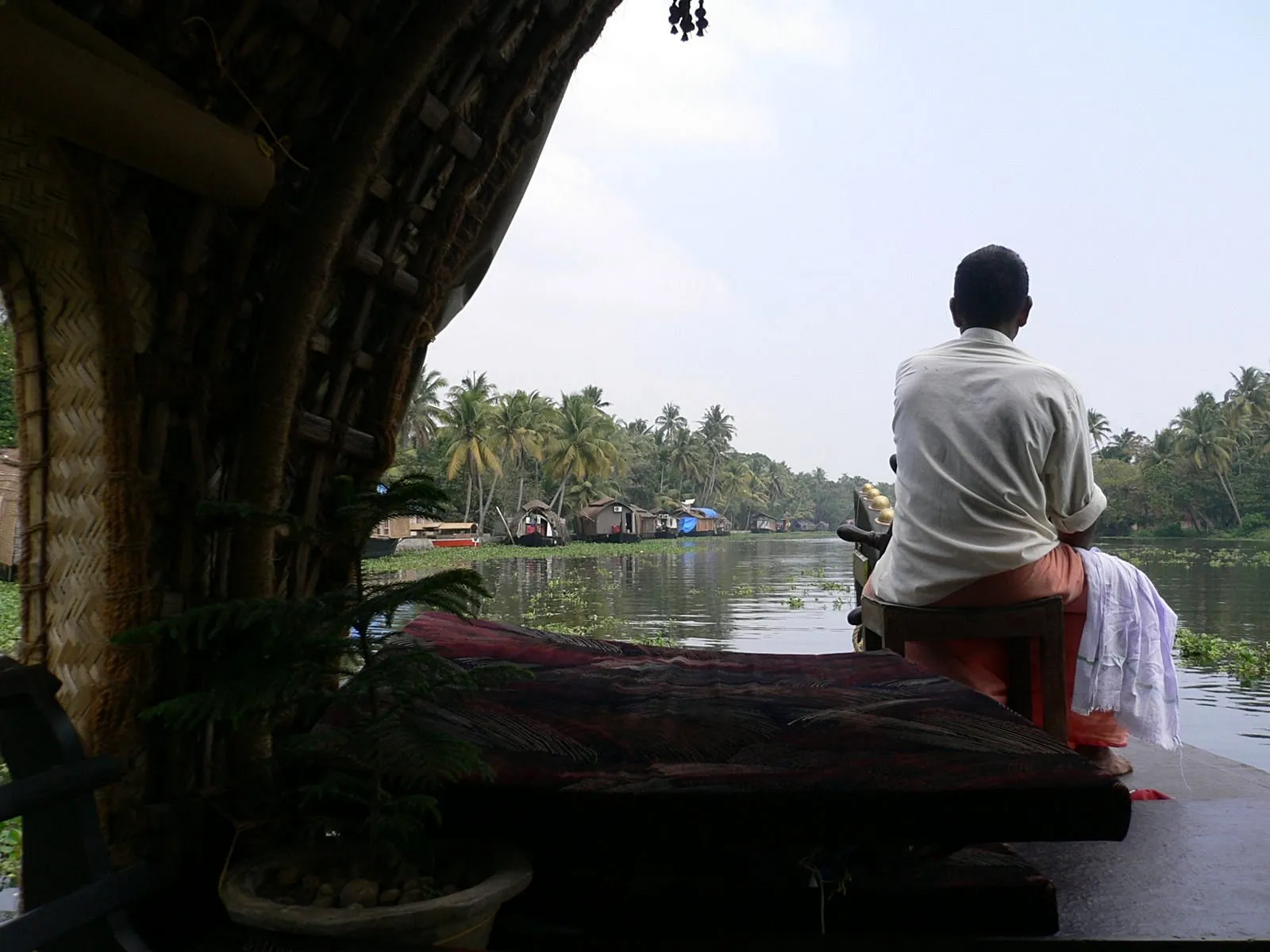
The backwaters are one of Kerala’s most defining experiences — a quiet network of canals, lakes, and lagoons where life unfolds gently along the water. A journey here is not about rushing from place to place, but about slowing down and observing daily life: fishermen casting nets, children waving from the banks, and palm trees reflecting in still water.
-
Alleppey Houseboats – Classic Backwater Cruise
The most popular way to experience Kerala’s backwaters, with overnight stays on traditional kettuvallams featuring private rooms, local cuisine, and peaceful canal routes. -
Kumarakom – Quieter Luxury Experience
A more relaxed alternative to Alleppey, offering upscale resorts, birdwatching, and calm stretches of water ideal for couples and slow travelers. -
Kollam Backwaters – Longer Water Routes
One of the longest backwater stretches in Kerala, offering extended cruises with fewer crowds and more untouched scenery. -
Vembanad Lake – Scenic Open Waters
Kerala’s largest lake, where houseboats move through wide, open waters framed by villages, coconut groves, and distant hills. -
Day Cruises vs Overnight Stays
Day cruises are ideal for short visits, while overnight houseboats offer a more immersive experience with sunset, dinner, and sunrise on the water.
A backwater journey is often described as Kerala’s most peaceful experience — not because there is nothing happening, but because everything happens at a slower, more natural rhythm that stays with you long after the trip ends.
Kerala Hill Stations – Munnar, Wayanad & Thekkady
Beyond the backwaters and coastline, Kerala rises into a completely different world of cool mountain air, mist-covered valleys, and endless green landscapes. The hill stations offer a slower, refreshing contrast to the lowlands and are often where travelers find the most peaceful moments of their journey.
-
Munnar – Endless Tea Gardens
Rolling tea plantations, winding roads, and misty mornings define Munnar. It is ideal for long walks, scenic viewpoints, and plantation stays surrounded by greenery. -
Wayanad – Forests & Hidden Nature
A quieter hill region known for dense forests, waterfalls, caves, and spice plantations. Wayanad feels more raw and less commercial, perfect for nature-focused travel. -
Thekkady – Wildlife & Spice Country
Home to Periyar Wildlife Sanctuary, Thekkady combines forest safaris, bamboo rafting, and spice plantation walks in a cool highland setting. -
Vagamon – Underrated Highland Escape
Meadows, pine forests, and soft rolling hills make Vagamon one of Kerala’s most peaceful and least crowded hill destinations. -
Best Way to Explore the Hills
Slow road journeys between hill stations are highly recommended, as the drive itself passes through tea gardens, valleys, and small mountain villages.
Kerala’s hill stations are not about fast sightseeing. They are about slowing down, breathing fresh mountain air, and letting the landscape set the pace of your day.
Kerala Beaches & Coastal Life
Kerala’s coastline stretches along the Arabian Sea, offering a completely different mood from its backwaters and hills. The beaches here are not just about sand and sea — they reflect a slow coastal rhythm shaped by fishing communities, palm-lined shores, and quiet sunsets.
-
Varkala – Cliffside Beach Town
Famous for its dramatic red cliffs overlooking the sea, relaxed cafes, yoga spots, and sunset views over the Arabian Sea. -
Kovalam – Classic Beach Experience
One of Kerala’s most well-known beach destinations, offering lighthouse views, gentle waves, and a mix of local life and tourism. -
Marari – Quiet Fishing Village Beach
A peaceful stretch of coastline near Alleppey, known for simplicity, palm groves, and authentic village beach life. -
Bekal – Fort by the Sea
Home to the iconic Bekal Fort overlooking the Arabian Sea, combining history, open beaches, and scenic coastal views. -
Poovar – Where Backwaters Meet the Sea
A unique landscape where river, lake, backwaters, and sea converge, offering boat rides through mangroves and golden sands.
Kerala’s beaches are best experienced slowly — whether it’s watching fishing boats return at sunrise or sitting by the shore as the sky turns orange in the evening.
Kerala Culture, Art & Festivals
Kerala’s cultural identity is deeply rooted in storytelling, performance, and ritual traditions that have evolved over centuries. Unlike many destinations where culture is something you watch from a distance, here it often feels alive and present in daily life — in festivals, temple rituals, and classical art forms.
-
Kathakali – Classical Dance Drama
A highly expressive art form featuring elaborate costumes, painted faces, and storytelling through gestures and movement. -
Theyam – Ritual Performance of North Kerala
A powerful blend of dance, worship, and mythology performed in temples with striking makeup and energy. -
Mohiniyattam – Graceful Classical Dance
Known for its soft, flowing movements and feminine grace, often performed in cultural festivals and stages. -
Ayurveda – Traditional Wellness System
Kerala is one of the world’s leading centers for Ayurveda, offering therapies, detox programs, and healing retreats. -
Festivals – Onam, Vishu & Temple Celebrations
Onam is the most celebrated festival, marked by flower carpets, boat races, and traditional feasts across the state.
Kerala’s cultural experiences are not just attractions — they are living traditions that continue to shape everyday life, offering travelers a deeper understanding of the region’s identity.
Kerala Food & Cuisine
Kerala’s cuisine is shaped by its coastline, spices, and long trading history. Food here is not just about flavor — it reflects geography, tradition, and everyday life. Coconut, curry leaves, black pepper, and seafood form the backbone of most meals, creating dishes that are simple, aromatic, and deeply satisfying.
-
Kerala Sadya – Traditional Feast
A vegetarian feast served on a banana leaf with rice, curries, pickles, papadam, and payasam, usually enjoyed during festivals and special occasions. -
Seafood Specialties
Freshly caught fish, prawns, and crab prepared in coconut-based curries, grilled styles, and spicy local preparations along the coast. -
Appam & Stew
Soft, lacy rice pancakes served with mild vegetable or meat stew — a classic breakfast combination in many parts of Kerala. -
Puttu & Kadala Curry
Steamed rice and coconut cylinders paired with spicy black chickpea curry, commonly eaten as a hearty breakfast. -
Spice Plantation Influence
Kerala’s food culture is deeply influenced by spices like cardamom, pepper, cinnamon, and clove, grown in the hill regions.
Eating in Kerala is often a simple, homely experience — whether in a traditional restaurant, a coastal shack, or a heritage stay where meals are served fresh and locally prepared.
Kerala Travel Tips & Best Time to Visit
Kerala is a year-round destination, but the experience changes significantly with each season. Understanding when to visit, how to plan your route, and what to expect on the ground can make your journey smoother and more enjoyable.
-
Best Time to Visit (October to March)
The most pleasant season with cool weather, ideal for backwaters, beaches, and hill stations. -
Monsoon Season (June to September)
Heavy rains transform Kerala into a lush green landscape, perfect for Ayurveda treatments and scenic retreats. -
Summer Season (April to May)
Warm and humid, but suitable for hill stations like Munnar and Wayanad where temperatures remain cooler. -
Plan a Mixed Itinerary
Combine backwaters, hills, and beaches for a balanced Kerala experience instead of staying in one region. -
Travel Distance Awareness
Roads are scenic but slow in hill regions, so allow enough travel time between destinations. -
Local Transport
Private cabs are the most convenient way to explore Kerala comfortably across multiple regions.
Kerala rewards slow travel — the more time you spend in each place, the more its landscapes, culture, and everyday life begin to feel connected rather than separate.
Responsible & Sustainable Travel in Kerala
Kerala’s natural beauty and cultural richness depend heavily on balance — between tourism and daily life, between development and preservation. Traveling responsibly here not only protects the environment but also ensures that local communities continue to benefit from tourism in a meaningful way.
-
Respect Local Culture
Dress modestly when visiting temples and rural areas, and follow local customs with sensitivity. -
Support Local Communities
Choose locally owned homestays, restaurants, and handicraft shops wherever possible. -
Protect Backwaters & Beaches
Avoid littering and reduce plastic use, especially in fragile ecosystems like backwaters and coastal areas. -
Wildlife & Nature Ethics
Maintain distance from animals, follow safari rules, and avoid disturbing natural habitats. -
Travel Slowly & Mindfully
Kerala is best experienced at a slow pace — rushing between destinations often reduces the quality of the journey.
Final Thoughts on Kerala Travel
Kerala is not a destination to be rushed through — it is a place to be experienced slowly. From drifting along quiet backwaters to walking through misty tea gardens and watching sunsets over the Arabian Sea, every part of the journey feels connected to nature and everyday life.
Whether you are planning a short holiday or a longer immersive trip, Kerala rewards travelers who take time to observe, listen, and experience its rhythm. It is this sense of calm and continuity that makes it one of India’s most memorable travel destinations.
Frequently Asked Questions
What is the best time to visit Kerala?
The best time to visit Kerala is between October and March when the weather is pleasant for sightseeing, backwater cruises, and beach activities. Monsoon season (June to September) is also popular for Ayurveda treatments and lush green landscapes.
How many days are enough for Kerala?
A 7 to 10-day trip is ideal for covering major destinations like Kochi, Munnar, Thekkady, and Alleppey. For a more relaxed and complete experience including beaches and hill stations, 12 to 14 days is recommended.
Is Kerala good for honeymoon and couples?
Yes, Kerala is one of India’s most popular honeymoon destinations. Houseboats in Alleppey, hill resorts in Munnar, and cliffside stays in Varkala offer romantic and private experiences.
Is Kerala safe for tourists?
Kerala is considered one of the safest states in India for travelers. Basic precautions, respectful behavior, and using trusted transport services are generally enough for a smooth trip.
What are the must-visit places in Kerala?
Top destinations include Munnar, Alleppey, Kochi, Thekkady, Varkala, Wayanad, and Kumarakom. Each region offers a different experience from hills and wildlife to backwaters and beaches.
Do I need a guide to travel in Kerala?
A guide is not mandatory, but local guides can enhance your experience by explaining culture, history, and helping with offbeat experiences, especially in hill stations and wildlife areas.
What type of food is famous in Kerala?
Kerala cuisine is known for its use of coconut, spices, and seafood. Popular dishes include Kerala Sadya, appam with stew, puttu with kadala curry, and fresh coastal seafood preparations.
Can Kerala be combined with other destinations?
Yes, Kerala is often combined with Tamil Nadu (like Chennai, Madurai, or Ooty) or Karnataka (like Coorg or Bangalore) for extended South India itineraries.
What makes Kerala different from other Indian destinations?
Kerala stands out for its unique combination of backwaters, Ayurveda traditions, lush greenery, and slow travel experience. It offers a more relaxed and nature-focused journey compared to many other regions in India.
🌴 Continue Exploring Kerala 🌴
Discover Kerala through private sightseeing tours covering misty hill stations, tranquil backwaters, wildlife reserves, historic cities, and beautiful coastal destinations.
India Tour Packages
Explore our most popular private India tours designed for comfort, culture, and seamless travel experiences.