Explore This Rajasthan Travel Guide
Navigate directly to the section you're interested in.
Rajasthan Travel Guide – Royal Heritage & Timeless Experiences
A closer look at Rajasthan, its cities, deserts, culture, and the slower moments that make the journey memorable.
Rajasthan is not the kind of place that reveals itself all at once. Most travelers arrive with images of grand forts, desert landscapes, and royal palaces—and those are certainly there—but what tends to stay longer are the quieter in-between moments. It might be the light falling on an old stone wall in the evening, a narrow lane where daily life continues as it has for years, or a conversation with someone who has lived in the same city for generations.
From Jaipur’s busy streets to the quieter corners of Udaipur, from Jodhpur’s blue old city to the open sands around Jaisalmer, each place feels distinct in its own way. And between these well-known cities are smaller towns, desert villages, wildlife areas, and heritage stays that often surprise visitors the most. This guide is meant to help you connect those pieces together—so the trip feels less like checking off places and more like understanding the region as you move through it.
Rajasthan at a Glance
Rajasthan is often introduced as the “land of kings,” but in practice it feels much broader than that label. It is a state where deserts, hills, lakes, and dense cities exist within the same journey, and where history is still very visible in everyday surroundings rather than locked inside monuments. Travel here doesn’t follow one pattern—you can move from a busy bazaar into a quiet fort courtyard in a matter of minutes, or from a city road into open desert within a short drive.
- Geography & Landscapes: A large and varied state shaped by the Thar Desert, the Aravalli hills, lake cities like Udaipur, and long stretches of rural countryside that connect them all.
- Royal Heritage: Forts, palaces, stepwells, temples, and old havelis that are not just monuments, but still part of the cities they stand in.
- Living Traditions: Folk music, regional festivals, crafts, textiles, and daily customs that are still very present in both cities and villages.
- Diverse Experiences: A mix of sightseeing, desert travel, wildlife safaris, heritage stays, and small local interactions that often become the highlight of the trip.
- Who It's For: Works well for first-time visitors wanting a classic India experience, as well as returning travelers looking to go beyond the usual routes.
Why Visit Rajasthan
People usually come to Rajasthan expecting forts and palaces, and they do find plenty of them. But what often makes the trip memorable is how different each place feels once you slow down a little. The state isn’t just a collection of tourist cities—it’s a mix of lived-in history, everyday culture, and landscapes that change quite dramatically from one region to another.
In Jaipur, life moves through busy markets and old pink-walled streets. A few hours away, Udaipur feels quieter, built around lakes that reflect the city at different times of the day. Jodhpur brings a different mood altogether with its blue houses clustered around a massive fort, while Jaisalmer sits almost still in the middle of the desert, where even silence feels noticeable. These contrasts are what make travel here interesting—it never feels repetitive.
Rajasthan also gives you space to experience India in different ways within a single journey. You can spend one day exploring a centuries-old fort, another in a small village watching traditional crafts being made, and another simply watching the desert change color as the sun goes down. It’s not about rushing from one landmark to another, but about noticing how each place has its own rhythm.
- Distinct Cities: Each major city has its own personality, architecture, and pace of life, rather than feeling similar.
- Living History: Forts, palaces, and old towns are still part of everyday surroundings, not isolated monuments.
- Contrasting Landscapes: From desert stretches to lake cities and green hills, the scenery changes more than expected.
- Cultural Depth: Traditions, festivals, and crafts are still actively practiced rather than preserved only for display.
- Flexible Travel Style: Works well whether someone prefers slow travel, luxury stays, or fast-paced sightseeing.
Best Places to Visit in Rajasthan
Rajasthan's appeal lies not in a single city or landmark but in the way its destinations complement one another. Each place reveals a different aspect of the state's character, from royal capitals and lakeside palaces to desert settlements, wildlife reserves, and rural communities. While every traveler's interests are different, the following destinations form the foundation of most Rajasthan journeys and offer a well-rounded introduction to the region's history, culture, landscapes, and traditions.
Jaipur – Rajasthan's Royal Gateway
Often called the Pink City, Jaipur serves as the natural starting point for many Rajasthan journeys. Magnificent landmarks such as Amber Fort, City Palace, Hawa Mahal, and Jantar Mantar showcase the city's royal heritage, while bustling bazaars, traditional crafts, and vibrant street life reveal a living culture that extends far beyond its monuments. Jaipur combines history, architecture, cuisine, shopping, and local experiences in a way few Indian cities can match.
Udaipur – The City of Lakes
Surrounded by the Aravalli Hills and centered around Lake Pichola, Udaipur offers one of Rajasthan's most elegant settings. Historic palaces, waterfront ghats, hidden lanes, and sunset boat rides create a more relaxed atmosphere than many other cities in the state. For travelers seeking romance, photography, and heritage hospitality, Udaipur is often considered the jewel of Rajasthan.
Jodhpur – The Blue City
Dominated by the imposing Mehrangarh Fort, Jodhpur offers one of Rajasthan's most dramatic urban landscapes. The city's famous blue-painted houses spread beneath the fort, creating a unique visual character that has fascinated travelers for generations. Jodhpur also serves as an excellent gateway to rural Rajasthan and some of the state's finest heritage properties.
Jaisalmer – The Golden City
Rising from the edge of the Thar Desert, Jaisalmer feels unlike anywhere else in India. Its golden sandstone fort, intricately carved havelis, desert landscapes, and spectacular sunsets create a distinctive atmosphere that reflects centuries of trade, exploration, and desert life. For many travelers, Jaisalmer delivers the Rajasthan they imagined long before arriving.
Ranthambore – Rajasthan's Wildlife Capital
While Rajasthan is best known for its heritage, Ranthambore introduces visitors to its wild side. The national park is among India's most celebrated tiger reserves and combines dramatic landscapes, historic ruins, and diverse wildlife. A safari here provides a fascinating contrast to the forts and palaces found elsewhere in the state.
Pushkar – Rajasthan's Spiritual Heart
Built around a sacred lake and home to one of the world's few Brahma temples, Pushkar offers a slower pace and a distinctly spiritual atmosphere. The town's ghats, temples, cafes, and surrounding desert landscapes attract pilgrims, photographers, and travelers looking for a more relaxed experience.
Rajasthan Beyond the Famous Cities
While Jaipur, Udaipur, Jodhpur, and Jaisalmer attract much of the attention, some of Rajasthan's most rewarding experiences are found beyond the classic tourist circuit. These lesser-known destinations offer heritage stays, wildlife encounters, village experiences, and a deeper connection to local culture. For travelers seeking authenticity and a slower pace, they often become the highlight of the journey.
- Jawai – Famous for its leopard population, dramatic granite landscapes, and luxury wilderness camps.
- Bundi – A charming heritage town known for its palaces, stepwells, and relaxed atmosphere.
- Deogarh – Historic countryside retreat offering heritage hospitality and rural Rajasthan experiences.
- Narlai – A peaceful village surrounded by rocky hills, temples, and elegant heritage accommodations.
- Rohet – Ideal for travelers interested in village life, horseback experiences, and local culture.
- Shahpura – Known for beautiful heritage properties, lakes, and traditional rural experiences.
- Chanoud – An authentic heritage destination offering insight into Rajasthan's aristocratic past.
- Khimsar – Historic fort hotel surrounded by desert landscapes and rural communities.
- Osian – Ancient desert town famous for temples, sand dunes, and camel safari experiences.
- Nagaur – Historic trading center featuring impressive forts and cultural heritage.
Including one or two of these destinations alongside Rajasthan's famous cities often creates a more balanced and memorable journey. They provide opportunities to experience the state's landscapes, traditions, and hospitality in a way that feels more personal and less rushed.
Practical Rajasthan Travel Advice
Rajasthan is one of India's most rewarding destinations to explore, but a little preparation can make a significant difference to your overall experience. Understanding travel distances, seasonal conditions, local customs, and practical logistics will help you travel more comfortably and make the most of your time in the region.
- Allow Time for Distances – Rajasthan is vast, and journeys between cities are often longer than visitors expect.
- Private Vehicle Travel – The most comfortable and flexible way to explore Rajasthan is by private car with driver.
- Domestic Flights – Useful for longer routes, particularly when combining Rajasthan with other regions of India.
- Train Travel – Selected routes can be enjoyable, though advance reservations are strongly recommended.
- Stay Longer, Travel Better – Two nights in key destinations generally provides a more relaxed experience.
- Dress Comfortably – Lightweight clothing works well for most of the year, with extra layers needed during winter mornings.
- Cash & Cards – Cards are widely accepted in cities, but carrying some cash remains useful in rural areas.
- Stay Hydrated – Rajasthan's climate can be dry, especially during the warmer months.
- Respect Local Customs – Modest attire is appreciated when visiting temples and traditional communities.
- Travel Insurance – Comprehensive travel insurance is always recommended for international visitors.
Rajasthan rewards travelers who adopt a slower pace and remain open to unexpected discoveries. Some of the most memorable moments often happen between the major attractions—during conversations with local people, scenic drives through the countryside, or quiet evenings spent in historic heritage properties.
Popular Rajasthan & Golden Triangle Itineraries
Rajasthan is a destination that rewards both first-time visitors and seasoned travelers. Combined with Delhi and Agra, it creates one of India's most fascinating travel circuits, where Mughal masterpieces, royal forts, vibrant cities, desert landscapes, and living traditions come together in a single journey. Whether you have a week or two weeks, Rajasthan offers countless possibilities, from classic highlights to deeper explorations of rural life, heritage stays, and lesser-known corners of the state.
-
9 Days – Delhi • Agra • Jaipur • Udaipur • Delhi
Perfect for travelers with limited time. Experience the timeless beauty of the Taj Mahal, discover Jaipur's magnificent forts and royal palaces, then unwind amidst the lakes, heritage hotels, and relaxed atmosphere of Udaipur. An ideal introduction to Rajasthan's history, architecture, and culture. -
10 Days – Delhi • Agra • Jaipur • Jodhpur • Udaipur • Delhi
One of the most popular Rajasthan itineraries for first-time visitors. Explore Delhi's historic landmarks, witness the grandeur of the Taj Mahal, stroll through Jaipur's colorful markets, admire the mighty Mehrangarh Fort in Jodhpur, and finish among the elegant palaces and lakes of Udaipur. -
13 Days – Delhi • Agra • Jaipur • Bikaner • Jaisalmer • Jodhpur • Udaipur • Delhi
A classic Rajasthan journey showcasing the state's most iconic destinations. From the desert forts of Bikaner and the golden sandstone city of Jaisalmer to the royal heritage of Jodhpur and Udaipur, this route captures the diversity, beauty, and spirit of Rajasthan. -
15 Days – Delhi • Agra • Ranthambore • Jaipur • Bikaner • Jaisalmer • Jodhpur • Udaipur • Delhi
Perfect for travelers seeking both heritage and wildlife. Alongside Rajasthan's famous cities, enjoy safari experiences in Ranthambore National Park, one of India's premier tiger reserves. A rewarding combination of history, culture, nature, and photography opportunities. -
15 Days – Delhi • Agra • Jaipur • Pushkar • Bikaner • Jaisalmer • Jodhpur • Narlai • Udaipur • Delhi
Designed for travelers looking beyond the classic tourist trail. Along with Rajasthan's celebrated cities, discover the heritage village of Narlai, nestled in the Aravalli countryside between Jodhpur and Udaipur. Historic stepwells, rural landscapes, heritage stays, and authentic local experiences provide a deeper understanding of Rajasthan's timeless charm.
These sample Rajasthan itineraries are intended as inspiration and can be fully customized to suit your interests, travel style, and preferred pace. Whether you're planning a luxury Rajasthan tour, a family holiday, a cultural journey, a photography expedition, or a private tailor-made experience, the route can be adapted to create a journey that is uniquely yours.
Things to Do in Rajasthan
Rajasthan is the kind of place where the experience often matters more than the checklist of places. Even well-known attractions feel different depending on when you visit them, how long you stay, and how much you allow yourself to simply observe rather than move quickly from one spot to another.
Most travelers remember not just the monuments, but the smaller moments in between—walking through old city lanes early in the morning, watching local markets slowly come to life, or sitting quietly at a fort as the light changes over the landscape.
Exploring Forts Beyond the First Impression
Rajasthan’s forts are often photographed from the outside, but spending time inside them changes the experience completely. Walking through courtyards, stairways, and old chambers gives a slower sense of how these places once functioned, and why they were built the way they were.
Desert Safari and Time in the Dunes
A visit to the Thar Desert feels very different from the cities. The dunes near Jaisalmer, especially in the late afternoon, create a quiet and open space where time feels slower. Many travelers remember the sunset more than the safari itself, simply because of how the landscape changes with light and wind.
Walking Through Old City Markets
The markets in cities like Jaipur, Jodhpur, and Udaipur are not just places to shop, but spaces where daily life is visible in its most active form. Narrow lanes filled with small shops, food stalls, and local crafts give a sense of how the cities function beyond tourism.
Lakes, Evenings, and Slower Moments
In places like Udaipur, the experience often slows down naturally. Evenings by the lakeside, or simply sitting at a quiet viewpoint, can feel more memorable than structured sightseeing. It’s usually these unplanned pauses that stay in memory long after the trip ends.
Tiger Safari in Ranthambore National Park
Ranthambore has a different kind of atmosphere compared to the rest of Rajasthan. Instead of forts and city streets, you find dry forests, open grasslands, and quiet lakes where wildlife moves in its own rhythm. The experience of a safari here is never guaranteed, but that uncertainty is part of what makes it interesting.
Most visitors come hoping to spot a tiger, but even when that doesn’t happen, the park itself feels alive. Deer moving through the trees, crocodiles near water bodies, and birds across open landscapes make the drive feel engaging throughout. The early morning safaris, in particular, have a quiet stillness that feels very different from the cities.
Heritage Hotels & Palace Stays in Rajasthan
Rajasthan is one of those rare places where you don’t just see history—you actually get to stay inside it. Many old palaces, havelis, and forts have been converted into hotels, and while they vary widely in comfort and style, they all carry a sense of time that is hard to replicate in modern buildings.
These stays range from grand palace hotels that once hosted royalty to smaller heritage homes tucked into old city lanes. Some are still managed by royal families, while others have been restored gradually over time, often keeping original details like courtyards, frescoes, and carved stone work intact. What stands out is not just the architecture, but the feeling of staying somewhere that has clearly lived through generations.
In cities like Jaipur, Udaipur, and Jodhpur, it is easy to find heritage hotels that sit right in the middle of old neighborhoods or overlook lakes and forts. Many of these places also offer simple experiences like traditional meals, small cultural evenings, or guided walks through the property, which add a bit of context without feeling overly organized.
Outside the main cities, the pace changes noticeably. Places like Narlai, Rohet, Deogarh, Shahpura, Chanoud, and Khimsar feel quieter and more spread out. Staying here often means being closer to village life, open landscapes, and slower routines, which some travelers find more interesting than the larger palace hotels.
For those planning a longer trip, mixing a few different types of heritage stays often works better than sticking to one category. A palace hotel in one city, a small haveli in another, and a rural heritage property somewhere in between can make the journey feel more varied and less predictable.
Whether it’s a lakeside palace in Udaipur, a quiet haveli in Jodhpur, or a restored estate in rural Rajasthan, these places tend to stay in memory not because they are luxurious, but because they feel tied to the landscape and history around them in a very direct way.
Practical Rajasthan Travel Advice
Rajasthan Trip Cost (Budget Breakdown)
One of the first things travelers usually try to understand is how much a trip to Rajasthan might cost. The answer depends less on the destination itself and more on the way you choose to travel—how you move between cities, the type of stays you pick, and how flexible your plans are.
Rajasthan can be experienced in very different ways. Some people travel on a tight budget using trains and guesthouses, while others prefer heritage hotels and private transfers. Most travelers fall somewhere in between, adjusting comfort levels depending on the city and duration of stay.
Budget Travel (Backpack / Simple Travel Style)
For travelers keeping expenses low, Rajasthan is still quite accessible. Staying in budget guesthouses, using trains or shared transport, and eating at local restaurants can keep daily costs relatively modest. The experience remains rich, though comfort levels are basic and travel between cities can take more time.
Mid-Range Travel (Most Common Choice)
Most visitors tend to choose this style, staying in comfortable hotels or heritage properties without going into luxury pricing. Private taxis between cities are common in this category, which makes travel smoother and saves time. This balance allows a more relaxed experience without losing practicality.
Luxury Travel (Heritage & Premium Experience)
Rajasthan is also known for its heritage hotels, some of which were once palaces or havelis. Staying in these places adds a very different dimension to the journey, especially in cities like Udaipur, Jaipur, and Jodhpur. While the cost is significantly higher, the experience often feels more immersive rather than just comfortable accommodation.
How to Reach Rajasthan
Reaching Rajasthan is fairly straightforward, especially if you are traveling from major cities in India. The state is well connected by air, rail, and road, and most travelers usually enter through one of the key gateway cities before continuing their journey across different regions.
The way you arrive often shapes the beginning of your trip. Some people prefer flying directly into Jaipur or Udaipur for convenience, while others choose trains to experience the gradual shift in landscape as they move toward Rajasthan.
By Air
Rajasthan has several airports in major cities like Jaipur, Udaipur, and Jodhpur. Jaipur is usually the most common entry point, especially for international or long-distance domestic travelers. Once you land, reaching the city center is usually quick, and most major attractions are within a short drive.
By Train
Train travel is one of the most commonly used ways to reach Rajasthan, especially from nearby states like Delhi, Gujarat, and Madhya Pradesh. Major cities such as Jaipur, Jodhpur, and Udaipur are well connected, and the journey often feels gradual and comfortable for those who prefer slower travel.
By Road
Road travel works well for shorter distances and nearby cities, especially if you are already in North India. The highways connecting Delhi, Agra, Jaipur, and other parts of Rajasthan are generally smooth, and many travelers combine road journeys with planned stops along the way.
Travel Tips for Rajasthan
Traveling through Rajasthan is generally straightforward, but the experience becomes much smoother when you are aware of a few practical details. These are not strict rules, but small observations that can make day-to-day travel more comfortable, especially if you are visiting multiple cities in one trip.
Many travelers only realize these things once they are already on the road, so a bit of preparation helps you focus more on the experience rather than small inconveniences along the way.
Dress According to the Weather, Not the City
Rajasthan’s weather can change quite a bit between regions and even within a single day. Light, breathable clothing works best for most of the year, while winters in desert areas can feel colder than expected, especially in the evenings.
Travel Distances Take Time
On maps, cities may not look very far apart, but road travel between places like Jaipur, Jodhpur, and Udaipur often takes longer than expected. Most journeys pass through highways, small towns, and open stretches of land, so planning with buffer time makes travel less rushed.
Start Early in the Day
Most sightseeing feels more comfortable in the morning, especially in cities where afternoons can get warm or crowded. Early starts also give you a quieter view of forts, lakes, and old city areas before they become busy.
Keep Some Flexibility in Your Plan
Rajasthan often feels better when the itinerary is not too rigid. Markets, local events, or simply a place you enjoy more than expected can easily change your plans for the day, and leaving a little space for that makes the trip more enjoyable.
Respect Local Culture and Spaces
Rajasthan has a strong cultural identity, and many places you visit are still part of everyday life for locals. A bit of awareness and respect while visiting temples, forts, and villages goes a long way in making interactions more positive.
Best Time to Visit Rajasthan
Rajasthan can be visited throughout the year, but each season offers a different perspective on the state's landscapes, culture, and experiences. The ideal time depends on whether your priorities are sightseeing, wildlife, photography, festivals, or simply avoiding the crowds.
-
October to March – The Classic Rajasthan Season
Pleasant temperatures make this the most popular time for sightseeing, fort visits, city walks, desert experiences, and wildlife safaris. Many of Rajasthan's major festivals and cultural events also take place during these months. -
April to June – Summer & Heritage Hotel Escapes
Temperatures rise significantly across much of the state, but travelers benefit from quieter attractions, attractive hotel offers, and a more relaxed atmosphere. Udaipur, Mount Abu, and luxury palace hotels remain appealing during this period. -
July to September – Rajasthan in the Monsoon
The Aravalli Hills turn greener, lakes fill up, and destinations such as Udaipur, Bundi, and the countryside around Narlai become particularly beautiful. This season is ideal for photography, heritage stays, and travelers seeking a quieter experience. -
Festival Highlights
Pushkar Camel Fair, Jaipur Literature Festival, Jaisalmer Desert Festival, Teej, Gangaur, and numerous local celebrations offer fascinating opportunities to experience Rajasthan's living traditions.
🎨 Rajasthan Culture & Traditions
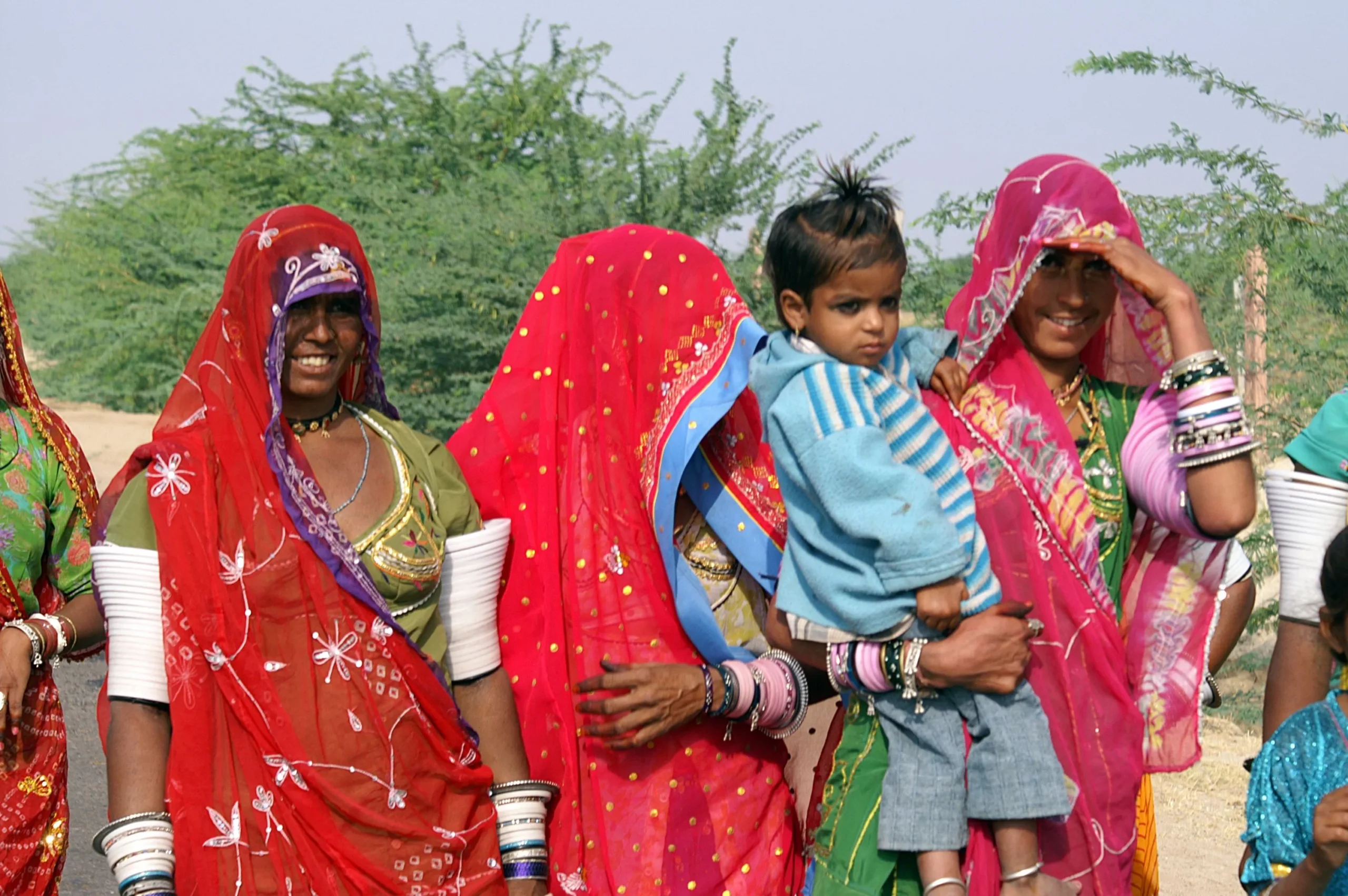
Rajasthan’s culture is not something that exists only in performances or festivals—it is something you notice gradually as you move through its cities and villages. From everyday clothing to music playing in the background of markets, many traditions are still part of regular life rather than staged experiences for visitors.
- Folk Dances & Music
- Dance forms like Ghoomar, Kalbelia, Bhavai, and Chari are often seen during festivals and local gatherings
- Folk music using traditional instruments continues to be part of celebrations and community events
- Traditional Attire
- Bright turbans, mirror work clothing, and embroidered fabrics are still commonly worn, especially in rural areas
- Jewelry and regional dress styles often vary from one district to another, reflecting local identity
- Village Lifestyle & Hospitality
- In many villages, hospitality still feels personal and traditional, with strong community connections
- Daily life is shaped by farming, handicrafts, and local trades that have continued for generations
- Festivals & Celebrations
- Events like Teej, Gangaur, Desert Festival, and Pushkar Fair bring together music, rituals, and local traditions
- Smaller seasonal fairs and religious gatherings are also common across different towns
🖌️ Local Art, Handicrafts & Shopping
One of the most interesting parts of traveling through Rajasthan is how visible art still is in everyday life. It isn’t limited to museums or curated spaces—you see it in markets, old houses, workshop corners, and sometimes even in the way entire streets are dedicated to specific crafts.
- Traditional Art Forms
- Miniature paintings and Phad storytelling art, often passed down through families of artists
- Frescoes and wall paintings that still appear in older havelis, especially in the Shekhawati region
- Wood & Stone Craftsmanship
- Hand-carved wooden furniture and decorative pieces made in small workshops
- Stone carving work in marble and sandstone, commonly seen in temples and heritage buildings
- Jewelry Traditions
- Kundan, meenakari, and silver jewelry styles that reflect royal and tribal influences
- Gemstone work that is still closely linked to local craftsmanship traditions
- Textiles & Fabrics
- Block printing from Bagru and Sanganer, often done using traditional hand techniques
- Bandhani and leheriya fabrics that are especially visible in local markets and festivals
- Handwoven carpets and embroidery work from different parts of the state
- Best Places to Shop
- Jaipur bazaars, where entire streets are dedicated to different crafts
- Jodhpur and Udaipur markets with a mix of traditional and modern craft stores
- Smaller village craft centers where artisans often work in front of visitors
- Shopping Tips
- Government emporiums can be useful for understanding standard pricing and authenticity
- Bargaining is common in local markets, but it usually stays friendly rather than aggressive
- Quality varies widely, especially in textiles and stones, so a closer look is always helpful
🍲 Food & Cuisine of Rajasthan
Food in Rajasthan is closely tied to its geography and history. The use of spices, grains, and cooking styles has evolved in a way that suits the desert climate, but what stands out most to travelers is how regional dishes still feel deeply connected to local homes, not just restaurants.
- Iconic Rajasthani Dishes
- Dal Baati Churma, often served as a complete meal rather than a single dish
- Gatte ki Sabzi and Ker Sangri, both reflecting desert-region cooking traditions
- Laal Maas and Safed Maas, once associated with royal kitchens and hunting culture
- Traditional Breads
- Bajra roti and missi roti, commonly found in rural and local households
- Simple tandoor-baked breads that remain a daily staple in many regions
- Snacks & Street Food
- Kachori, mirchi vada, and samosas that are widely available in city markets
- Small street-side stalls serving spicy chaats and local snacks throughout the day
- Rajasthani Sweets
- Ghewar, mawa kachori, and malpua, often associated with festivals and celebrations
- Traditional laddoos and desserts prepared during special occasions
- Dining Experiences
- Meals served in heritage hotels, where food is often part of the overall cultural setting
- Simple village-style dining experiences that reflect everyday cooking practices
- Rooftop restaurants in cities like Jaipur, Jodhpur, and Udaipur with fort or lake views
- Food Culture
- Heavy use of spices and ghee, influenced by long preservation needs in desert regions
- Many recipes are still passed down within families rather than written in formal cookbooks
Frequently Asked Questions About Rajasthan
Is Rajasthan safe for international travelers?
Rajasthan is one of India’s most visited and tourist-friendly states. Millions of travelers visit each year, and most trips are trouble-free. Basic precautions, awareness in crowded places, and booking trusted services are usually enough for a smooth experience.
How many days are enough for Rajasthan?
A well-paced Rajasthan trip usually takes 7 to 10 days to cover Jaipur, Jodhpur, and Udaipur. If you want desert experiences, wildlife safaris, or offbeat destinations, 12 to 14 days is more comfortable.
What is the best time to visit Rajasthan?
October to March is the most popular season because of pleasant weather. Winter is ideal for sightseeing, festivals, and desert experiences. Summers are hot but offer fewer crowds and better hotel deals.
Which are the must-visit cities in Rajasthan?
Jaipur, Jodhpur, and Udaipur are the core cities for first-time visitors. Jaisalmer is popular for desert experiences, while Ranthambore is known for tiger safaris.
Can Rajasthan be combined with the Golden Triangle?
Yes, Rajasthan is commonly combined with Delhi and Agra in the Golden Triangle route. Jaipur is already part of this circuit, making it easy to extend the trip to other Rajasthan destinations.
Is Rajasthan suitable for family travel?
Rajasthan is very popular with families. Forts, palaces, wildlife safaris, cultural shows, and heritage hotels offer experiences for all age groups.
Do I need a guide in Rajasthan?
A guide is not mandatory, but it can greatly improve the experience. Local guides provide historical context, hidden stories, and smoother navigation through large forts and old cities.
What should I wear in Rajasthan?
Light cotton clothes are ideal for most of the year. Comfortable shoes are important for forts and walking tours. In winter, carry light woolens for mornings and evenings. Modest clothing is recommended for religious places.
Is cash needed while traveling in Rajasthan?
Most hotels and restaurants accept cards in cities, but cash is useful for small shops, rural areas, local markets, and tipping.
What makes Rajasthan a unique travel destination?
Rajasthan stands out for its combination of royal heritage, desert landscapes, living culture, wildlife, and hospitality. Each city has a different character, making every journey through the state feel distinct and varied.
✨ Continue Exploring Rajasthan ✨
Explore some of Rajasthan's most popular sightseeing experiences or browse our complete collection of private day tours across the state.
India Tour Packages
Explore our most popular private India tours designed for comfort, culture, and seamless travel experiences.