Solo Female Travel in India
A Practical Safety and Planning Guide
Honest Advice for Women Travelling Alone, from Local Specialists
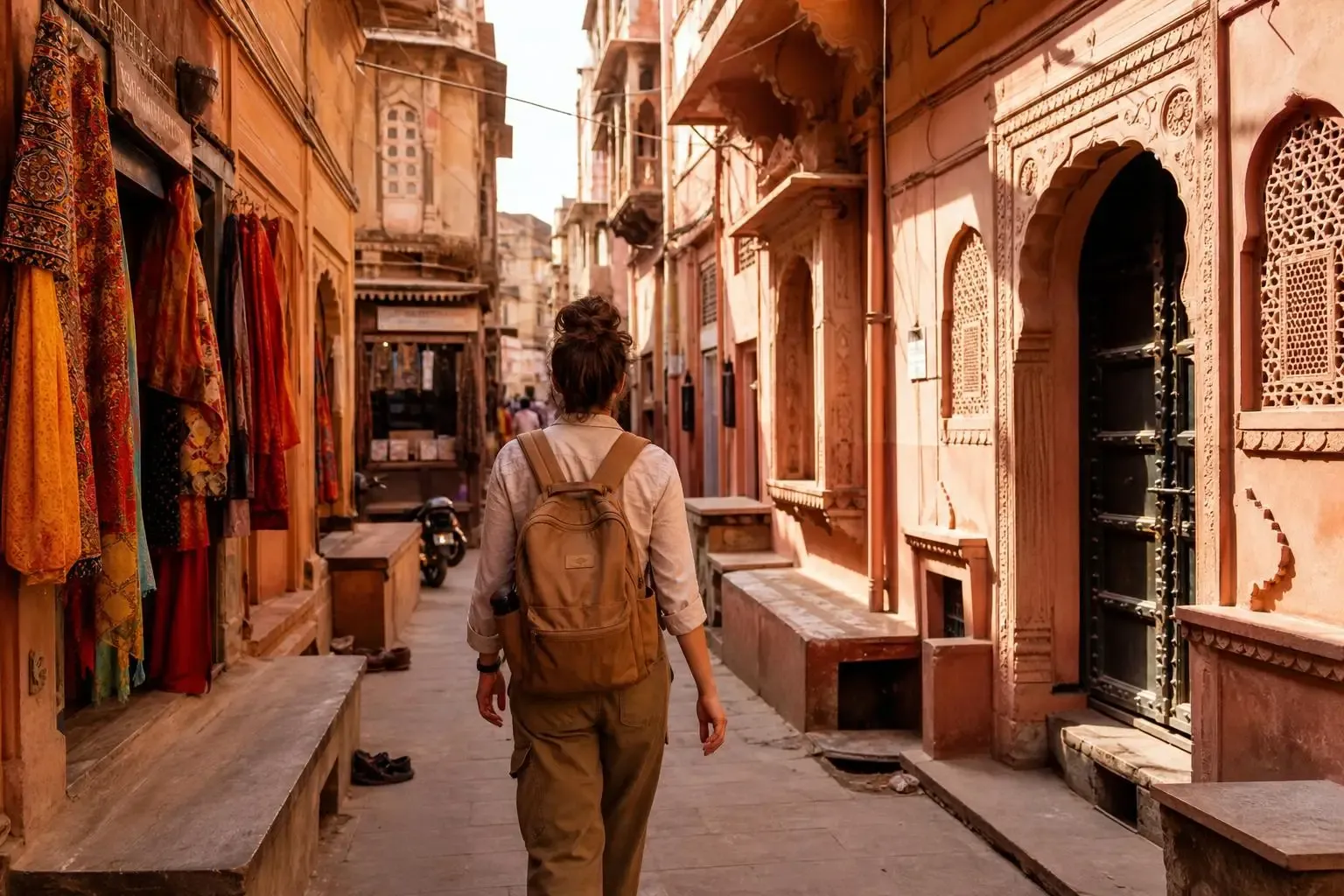
Many women travel alone in India and return home with some of their best travel memories, whether they spend their time among the forts of Rajasthan, the backwaters of Kerala, the temples of the south or the mountains of the Himalaya. It is also a country where solo women need to plan more carefully than they might elsewhere, and official travel advice from several governments says so plainly. This guide gives you honest, practical advice from a local team: where to stay, how to get around, what to wear, how to handle unwanted attention, which numbers to save, how the experience changes from region to region and which routes suit a first solo trip. Whether you want to travel fully independently or with a private driver and local guides, you will find a style that fits you. No journey is completely risk-free, so use this guide as a starting point and check your own government’s latest travel advice for the areas you plan to visit. If you would rather have a plan built around your comfort level, our team can design a private, tailor-made itinerary for you.
Plan Your Solo Trip to India →
Solo Female Travel in India at a Glance
- Short answer: Yes, many women travel alone in India successfully, with careful planning
- Easiest style for a first trip: A private driver for transfers, pre-booked hotels and local guides at major sights
- Easier first routes: The Golden Triangle, Rajasthan, Kerala and South India
- Best time: October to March for most of India. Himalayan regions such as Ladakh are best from June to September
- Suggested first trip: 10 to 14 days at a relaxed pace
- Key habits: Arrive in daylight, stay in well-reviewed central hotels, avoid walking alone at night and share your plans each day
- Numbers to save first: 112 for emergencies and 1363 for the tourist helpline
Is India Safe for Solo Female Travellers?
Most solo women visit India without serious problems, but the risks are real and worth taking seriously. Foreign governments advise women to take extra care, for example by avoiding isolated areas (beaches included) when alone, respecting local dress codes and not travelling alone at night. The most common problems are not violent: staring, unwanted comments, pushy touts, repeated requests for selfies and overcharging. Your experience depends far more on how you travel than on where you go, meaning where you stay, how you move around, what time you are out and who you trust. The sections below focus on those choices.
Harassment is never the traveller’s fault. The advice below is about reducing unwanted attention and keeping control of your situation, not about blaming women for how they look or behave.
Choose Your Travel Style
There is no single right way to travel alone in India. These are the three most common approaches, from easiest to most demanding.
- Fully private: A private car and chauffeur, pre-booked hotels and local guides at the main monuments. This is the most comfortable choice for a first trip, because you set the pace and never have to find your own way on arrival or on long drives. See our private chauffeur service in India.
- Hybrid: A private driver for the long transfers between cities, then independent time in each city on foot or by app-based taxi in daylight. This is a popular middle path.
- Fully independent: Trains, buses and app-based taxis throughout. It is rewarding but needs experience, flexibility and confidence, so it suits a second trip better than a first.
Solo Travel Across India: What Changes by Region
India is a large and varied country, and the experience changes a great deal between regions. Use these notes to match a region to your comfort level.
- Delhi, Agra and Varanasi: The busiest and most crowded part of the country, with more touts and more attention at major sights. A private driver and a licensed guide make a big difference here, and it is wise to visit the narrow lanes and ghats of Varanasi with a guide the first time.
- Rajasthan: Forts, palaces and heritage hotels with experienced staff. Expect touts at the larger forts and bazaars, and plan long drives for daylight.
- Kerala: A slower pace, with homestays, houseboats and hill stations such as Munnar. Choose reputable operators for houseboats and boat trips, and avoid isolated beaches when alone.
- Tamil Nadu and Karnataka: Temples, palaces and heritage towns such as Mahabalipuram, Madurai, Mysore and Hampi. Many temples have strict dress codes, so carry a scarf and wear clothes that cover your shoulders and knees.
- Mumbai, Goa and Maharashtra: Mumbai is a large, fast-moving city, and its suburban trains have ladies’ compartments. In Goa, take extra care on beaches, avoid isolated stretches after dark and never leave your drink unattended.
- Rishikesh and the Himalaya: Rishikesh is popular with solo travellers for yoga and the Ganga, and adventure activities should only be booked with licensed operators. Ladakh needs time to adjust to the altitude, works only in summer and has remote roads, so arrange transport and permits through a reliable operator.
- Central India and wildlife parks: Safari lodges near parks such as Ranthambore, Kanha and Bandhavgarh are often remote, so check how you will arrive and leave, and book safaris with a guide or naturalist.
Travel advice also differs by region of India, so check your government’s guidance for the specific areas you plan to visit before you book.
Best Routes for a First Solo Trip
Choose a route where the distances are manageable and plan at least two nights in most places, so you are not moving every day.
- Golden Triangle (Delhi, Agra, Jaipur): A well-travelled circuit that is easy to plan, with plenty of guides and hotels used to solo travellers. See our Golden Triangle tours.
- Rajasthan: Forts, palaces and heritage hotels with experienced staff, which many solo women find comfortable. See our Rajasthan tours.
- Kerala: Often chosen for its slower pace, with homestays, backwaters and hill stations. See our Kerala tours.
- South India: Temples, palaces and heritage towns across Tamil Nadu, Karnataka and Kerala, at a gentler pace than the north. See our South India tours.
A classic first solo route is Delhi, Agra, Jaipur and Udaipur over about 10 days. In the south, a similar route is Chennai, Mahabalipuram, Madurai, Munnar and Kochi. Both use a private driver for transfers, shorter sightseeing days and a rest day in the middle. We customise every route to your dates, pace and comfort level.
Where to Stay
- Choose a central location with recent, detailed reviews, ideally from other women travelling alone
- Look for 24-hour reception and a secure entrance
- Heritage hotels, well-reviewed guesthouses and homestays are good solo options
- Arrange your arrival transfer in advance and try to reach each new city before dark
- Check the route from the airport or station to the hotel before you travel
- Test the door lock when you check in, and ask for a room above ground level if you can
- Send your hotel address and booking details to someone at home
- Choose hotels that arrange taxis, so you are never hunting for one at night
Getting Around Safely
- Private driver: Ask for your driver’s name and vehicle details before the day starts, and never accept rides from strangers.
- App-based taxis: Uber and Ola operate in the major cities. Check the plate against the app, sit in the back and share your trip status with a friend. At airports and large stations, use the prepaid taxi counter.
- Trains and metros: Book AC classes in advance and travel by day where you can. Delhi Metro and Mumbai’s suburban trains have women-only coaches or compartments, which many solo travellers prefer.
- Long drives: Avoid highway driving after dark and plan to arrive before nightfall.
- On foot: Stay on main roads, avoid shortcuts through empty lanes and keep to busy, well-lit areas.
What to Wear
Dress codes vary across India. International hotels and big-city cafés are relaxed, while temples, villages and smaller towns are more conservative, and many temples in the south have strict dress rules. A practical choice is loose cotton or linen that covers your shoulders and knees, with long trousers or skirts and a light scarf for temples, sun and dust. Many women find this draws less attention and is also more comfortable in the heat. Wear what you feel at ease in, and keep a scarf in your bag for extra cover when you need it.
Handling Unwanted Attention
- Sunglasses and a confident, steady walk help you avoid eye contact without stopping
- Say a clear, firm “no” (nahin) and keep moving, with no need to explain
- If someone follows you, walk into a shop, hotel or busy restaurant and ask the staff for help
- Politely refuse selfie requests if you are not comfortable
- Do not share your hotel name or room number with people you have just met
- Never leave your drink unattended, and be careful with food or drink offered by strangers
- Trust your instincts and leave any situation that feels wrong
- If you are in danger, call 112
Day-to-Day Safety Habits
- Buy a local SIM and download offline maps
- Carry a power bank so your phone never runs flat
- Share your live location with someone you trust each day
- Keep digital copies of your passport, visa and insurance
- Take out travel insurance that covers medical care
- Split cash and cards between bags
- Avoid isolated places when alone, including beaches, especially around dusk
- Plan your evenings: dinner at your hotel or a well-reviewed restaurant, then a booked taxi back
Emergency Numbers to Save
- 112: The all-in-one emergency number for police, fire and ambulance. The 112 India app can also share your location.
- 1363: The Incredible India tourist helpline
- 1091: Women helpline for women in distress
- 181: Women helpline
- Your embassy: Save its emergency number before you travel
- Our 24/7 support: If you travel with us, you will have our support number throughout
These numbers work across India. Older numbers such as 100 for police are still widely used, but states are being asked to fold them into 112, so 112 is the safest number to dial first.
Why Plan Your Solo Trip with Premium India Tour
- Tailor-made and private: Your route, pace and hotels are planned around you, not around a group.
- Local specialists: A Jaipur-based team planning private journeys across India, from Rajasthan to Kerala.
- Arranged in advance: Chauffeur, transfers and stays set up before you arrive, so you are never working things out alone on the day.
- 24/7 support: Someone to call at any hour during your trip.
- Your preferences first: Tell us about your comfort level, pace and any requests when you enquire, and we plan around them.
Frequently Asked Questions
Is India safe for solo female travellers?
Many women travel alone in India without serious problems, but it needs more planning than some other destinations. Choose well-reviewed hotels, avoid travelling alone at night, dress for the local setting and arrange transport in advance. Check your government’s travel advice before you book.
Which region of India is best for a first solo trip?
The Golden Triangle, Rajasthan, Kerala and South India are the usual first choices because they are well-travelled, easy to plan and have many hotels and guides used to solo travellers. Travel advice differs by region of India, so check your government’s advice for the specific areas you plan to visit.
Is it safe to use public transport alone?
Many women do, especially by day and in the AC classes of trains. For a first trip, a private driver for long transfers removes much of the stress. Use prepaid taxi counters at airports and stations, and check the plate on app-based taxis.
What should I wear?
Loose cotton or linen that covers your shoulders and knees works almost everywhere, with a scarf for temples. Smaller towns and religious sites are more conservative than big-city hotels and cafés.
Is it safe to travel at night?
It is best avoided when alone. Arrive in each city before dark, book a transfer for late arrivals and take a booked taxi or hotel car back from dinner rather than walking.
Do I need a guide?
Not at every stop, but a local guide at the large monuments reduces touts and pressure and adds context. Many solo women book a guide for the main sights and explore cafés and markets alone in daylight.
What should I do if I feel unsafe?
Move to a busy, well-lit place such as a shop, hotel or restaurant and ask the staff for help. If you are in danger, call 112. Tell your hotel or tour operator, and contact your embassy if you need further help.
Can you plan a solo trip around my comfort level?
Yes. Send us your dates, pace and any requests through the enquiry form and we will suggest a private itinerary that suits you.
Related Guides
More guides to help you plan a safe and comfortable solo trip.
- India Travel Tips by Traveller Type – advice for every style of trip
- What to Wear in India – clothing by season and region
- Getting Around India – trains, flights and private drivers
- Cultural Dos and Don'ts in India – etiquette for travellers
- Best Places to Visit in India – a region-by-region guide
- Is India Safe for Tourists? Coming soon – practical safety advice
Keep Planning Your India Trip
Browse more planning advice in our India Travel Blog, read our India travel guide, or explore a tour for your first solo trip: the Golden Triangle, Rajasthan, Kerala or South India.
Explore More
Private India Tours
Tailored to Your Dream Journey
Travelling alone is easier with a plan built around you. Explore private, tailor-made journeys across the forts and palaces of Rajasthan, the iconic Golden Triangle, Kerala and South India, and the Himalayan landscapes of Kashmir and Ladakh, each one a suggested route that we customise with carefully selected hotels, a private chauffeur and local expert support.